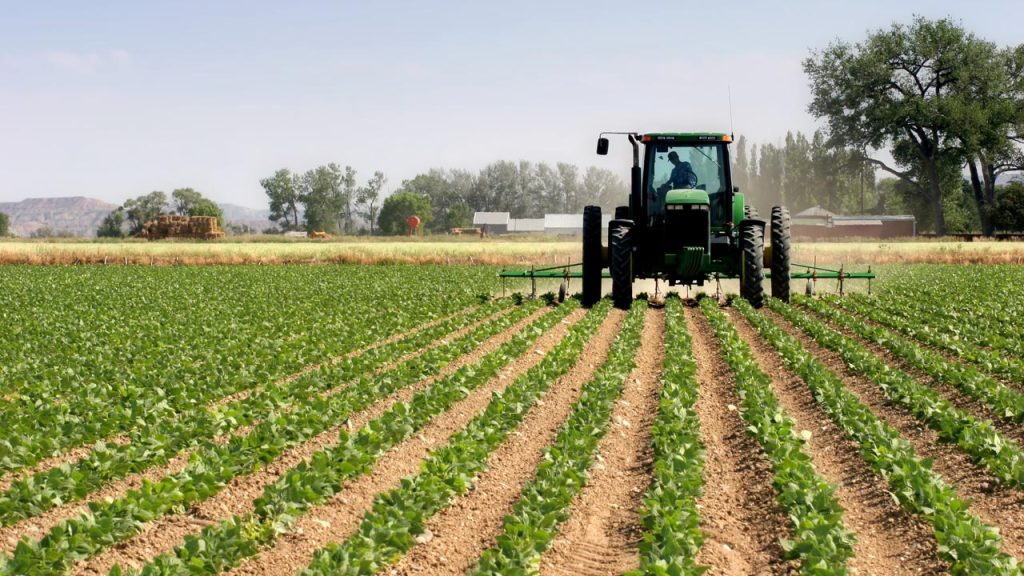
Agriculture sector achieves 3.15% GDP growth, reaching 11.87 trillion naira
Nigeria's agriculture sector has achieved a 3.15% GDP growth, reaching 11.87 trillion naira. Crop production is the leading contributor, accounting for 8.9 trillion naira.

Live intelligence from 10+ verified Nigerian and UK sources
Nigeria's agriculture sector has achieved a 3.15% GDP growth, reaching 11.87 trillion naira. Crop production is the leading contributor, accounting for 8.9 trillion naira.

The Lagos Chamber of Commerce and Industry warns that the Sugar-Sweetened Beverage Tax Bill could worsen challenges for Nigeria's manufacturers. The LCCI emphasizes the need for careful consideration of the bill's potential impact on the sector.
The Finance Ministry claims to have processed N700 billion in payments to local contractors, while the contractors assert they have not received any funds. This disagreement has led to renewed protests by the contractors.
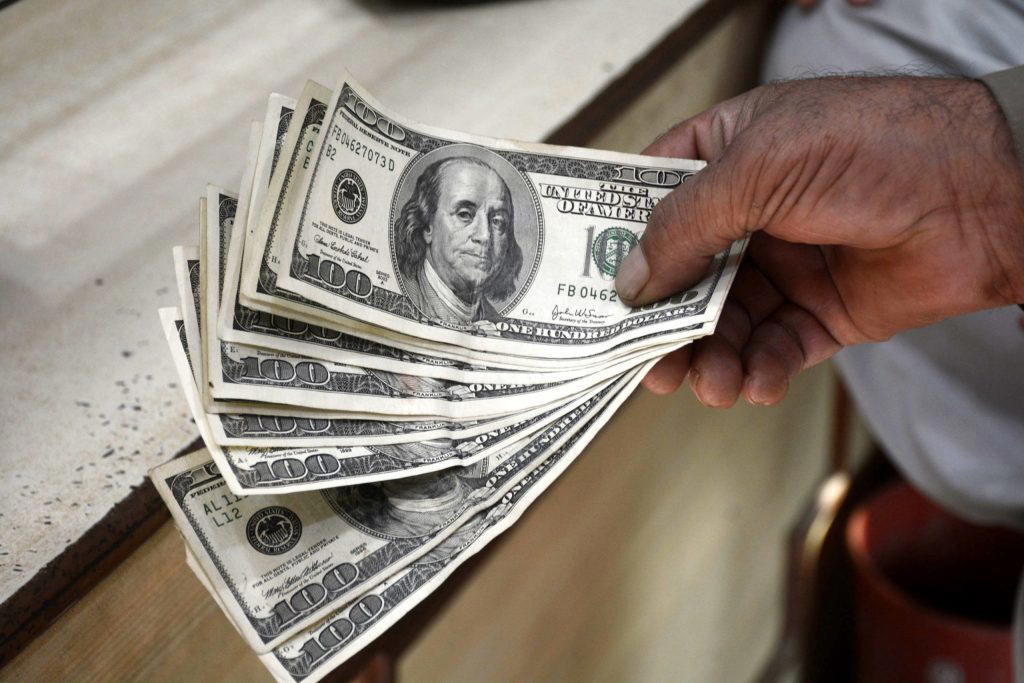
The Nigerian naira remained stable against the US dollar on June 9, 2026, in both official and parallel markets. This stability is attributed to ongoing efforts to maintain liquidity in the foreign exchange market.
Nigeria's economy shows improvement as it strengthens its position in continental capital markets. Meanwhile, South Africa receives a significant ratings upgrade, although businesses in both countries continue to face challenges.
The speaker says reliable statistics remain the foundation of effective governance, economic planning and investment decisions. The post Nigeria needs stronger data system to achieve $1tn economy – Speaker Tajudeen appeared first on Premium Times Nigeria.
Political involvement is impacting decisions in pension fund management, as highlighted by the recent Premium Pension arbitration. This situation raises concerns about the integrity of financial governance in Nigeria's pension sector.
African institutions need to adapt to the changing financial landscape to remain relevant. This call to action emphasizes the importance of preparedness in the face of evolving economic dynamics.
Nigeria's current debt crisis is heavily impacting its financial future, with debt servicing taking precedence over essential sectors. This situation raises concerns about the sustainability of the nation's economic landscape.
Nigerians are adjusting their meals due to rising food prices, leading to smaller portions and more careful shopping. This change is affecting the overall quality of food consumed across many households.
Nigeria's external reserves have reached $50.12 billion, the highest level in 17 years, reflecting a 30.9% annual growth. This increase signals positive investor confidence and robust economic activity in the country.
President Bola Tinubu has declared Lagos as Africa's primary entry point for global investment, emphasizing its role in driving Nigeria's $1 trillion economy target. Governors Sanwo-Olu, Uzodimma, Otti, Sule, and Mutfwang are actively working to attract investors.
The Lagos Chamber of Commerce and Industry has raised concerns about the economic impact of the recently passed Sugar-Sweetened Beverage Tax Bill on the manufacturing sector. They warn it could impose an additional burden on the industry.
IATA warns that airlines will face an additional $100 billion in jet fuel costs this year, with prices expected to rise significantly. Nigeria is highlighted as one of the most expensive countries for airlines, impacting the aviation sector's profitability.
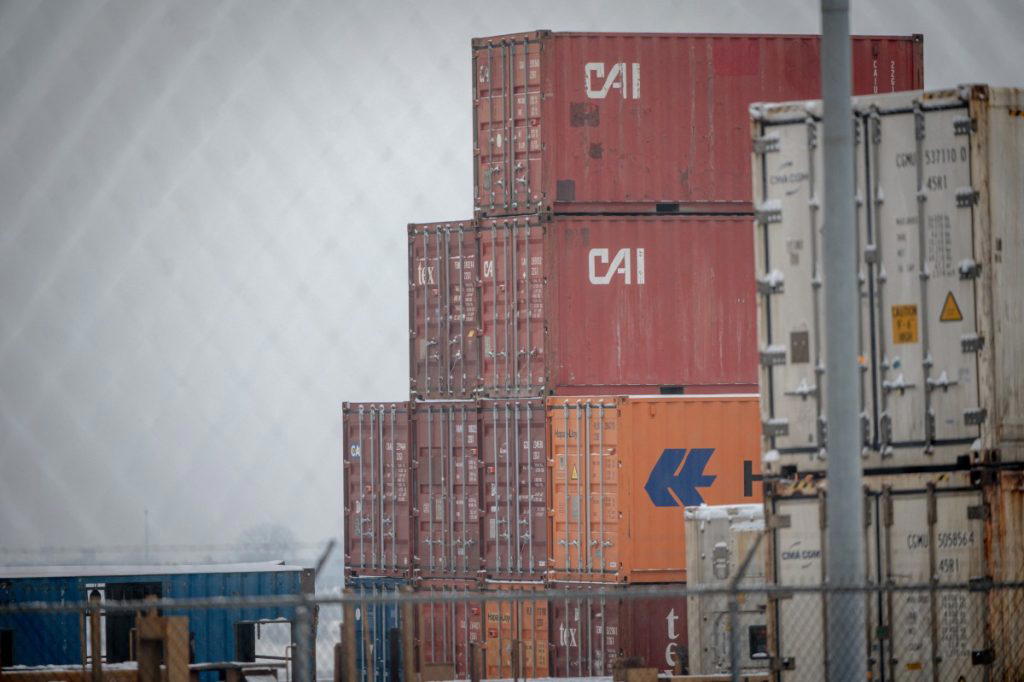
Nigeria's foreign trade recorded a surplus of N7.55 trillion in Q1, despite a decline in total trade to N34.79 trillion. Crude oil continues to be the main export, while agricultural exports have decreased significantly.
Bismarck Rewane highlights that Nigeria's GDP growth over three years has coincided with rising poverty and increasing insecurity. This paradox raises concerns about the effectiveness of economic policies in improving citizens' welfare.
Cooking gas prices in Nigeria remain high at around N2,500 per kilogram, threatening clean energy initiatives. The persistent costs pose challenges for households and the broader energy transition.
Nigeria's trade surplus increased by 341% to N7.55 trillion in Q1 2026, attributed to higher exports and lower imports. This significant growth reflects positive trends in the country's trade balance.
The Federal Government has paid off over N700 billion in debts to local contractors, including N436.6 billion in May. This move is expected to enhance liquidity and stimulate economic growth.
Lagos is ramping up efforts to establish itself as Africa's leading hub for international investment. The city aims to attract global capital and enhance its economic landscape.
Nigeria continues to face a cooking gas shortage despite new shipments arriving, with prices reaching N2,400/kg. Retailers caution that shortages may persist without government intervention.
A tax expert urges the Supreme Court to urgently resolve the five-year-long VAT dispute between Rivers State and FIRS, bringing clarity to Nigeria’s fiscal
Bennett Oghifo Luxury real estate developer, 7-Fifteen Capital Limited, has formally entered the Lagos property market with the launch of its new office in Ikoyi, marking a significant milestone in
Emmanuel Addeh in Abuja Nigeria’s oil and gas industry recorded a significant increase in drilling activity in the first quarter of 2026, with the number of active rigs rising by
The Nigerian Bar Association Section on Business Law will hold its 20th Annual International Business Law Conference to assess Nigeria's economic reforms. This event aims to evaluate the effectiveness of these reforms in the business sector.
As geopolitical realignments accelerate the search for diversified energy sources, Africa’s strategic weight in global energy markets is growing, and with it, the opportunity for Nigeria to convert domestic capacity
Kayode Tokede The Nigerian stock market, yesterday sustained its positive momentum to commence trading for the week, with the market capitalization gaining N515 billion. The Nigerian Exchange Limited All-Share Index
Nigeria's trade surplus surged by 340.88% to N7.55 trillion in Q1 2026, a significant increase from N1.7 trillion in the previous quarter. This growth reflects a strong performance in the country's trade sector.
… urges brokers to strengthen liquidity management By Peter Egwuatu The Chairman of the Association of Securities Dealing Houses of Nigeria (ASHON), Sehinde Adenagbe, has described the newly introduced T+1 settlement cycle by CSCS PLC as a transformative development for Nigeria...
Power generation companies report that the Federal Government has not settled the N3.3 trillion power debt, despite presidential approval from Tinubu. This situation raises concerns about the financial stability of the power sector.