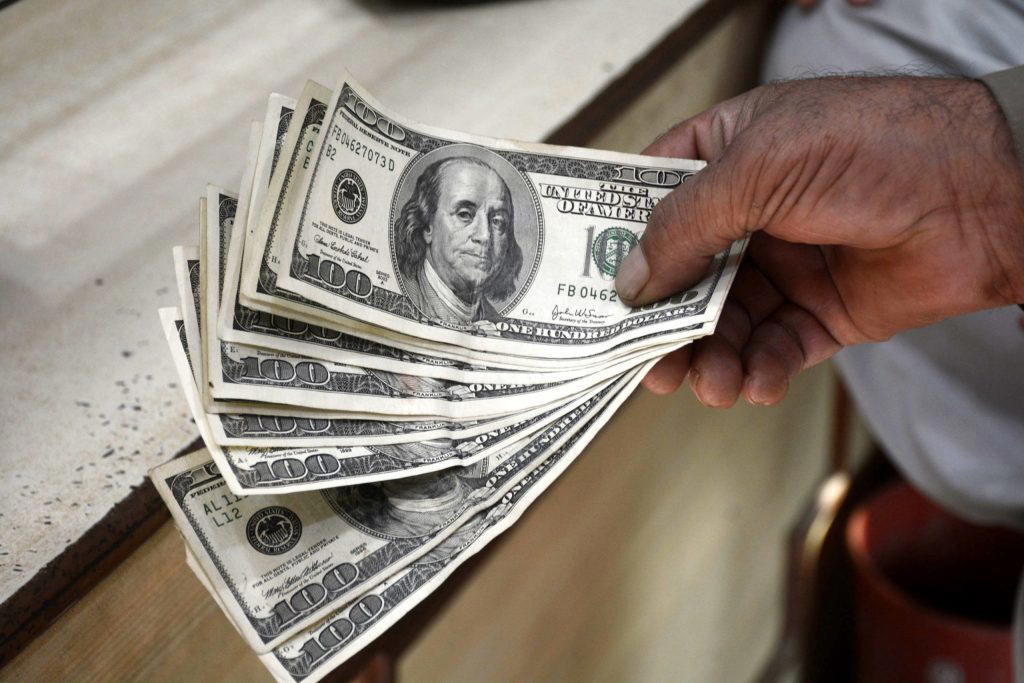
On June 9, 2026, the Nigerian naira exhibited relative stability against the US dollar, a sign of ongoing efforts to enhance liquidity in the foreign exchange market. This steadiness comes as Nigeria grapples with economic challenges, including inflation and a need for foreign investment. The official exchange rate remained consistent with parallel market rates, reflecting the central bank's interventions aimed at reducing currency volatility.
The Central Bank of Nigeria has implemented various strategies, including increased dollar sales and stricter regulations on currency trading, to bolster the naira's position. "Our commitment to maintaining a stable exchange rate is crucial for economic recovery and investor confidence," stated Godwin Emefiele, Governor of the Central Bank of Nigeria. Investors are closely monitoring these developments, as a stable currency is vital for trade and economic growth.
Looking ahead, the naira's resilience will depend on the government's ability to navigate external pressures, such as fluctuating oil prices and global economic conditions. Continued focus on fiscal discipline and foreign exchange reforms will be essential to sustain this stability and foster a more favorable economic environment in Nigeria.