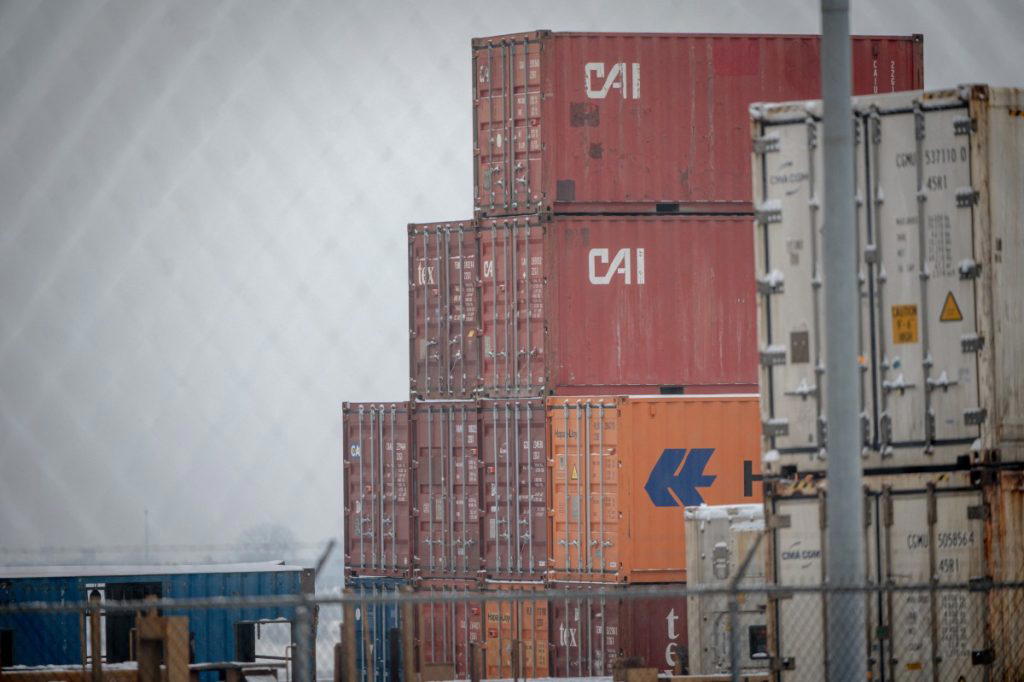
Nigeria's trade surplus has surged by an astonishing 340.88 percent in the first quarter of 2026, reaching N7.55 trillion, a significant rise from N1.7 trillion in the previous quarter. This remarkable increase underscores the country's growing export capacity, particularly in oil and agricultural products, which have been buoyed by global price hikes and improved production levels.
Key developments in Nigeria's trade landscape include a strategic focus on enhancing local production and reducing reliance on imports. This shift has been supported by government policies aimed at boosting domestic industries. "This trade surplus is a clear indicator that our economic strategies are beginning to yield positive results," said Chukwuma Nnaji, the Director of Economic Planning at the Ministry of Trade.
As Nigeria navigates complex global economic challenges, this impressive trade surplus could provide a buffer against external shocks. Moving forward, the government must capitalize on this momentum to foster sustainable growth and diversify its economy further. If effectively managed, this trade surplus could lay the foundation for increased foreign investment, ultimately driving long-term economic stability.

