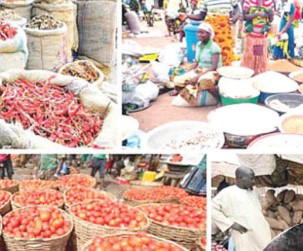
Rising food prices in Nigeria are reshaping the dietary habits of families, leading to a decline in the quality of meals consumed. Reports indicate that many households are resorting to smaller portions and carefully strategizing their grocery shopping, often sacrificing nutritional value for affordability. This shift signals a worrying trend, as staple foods become increasingly inaccessible due to inflation and economic instability.
A recent survey highlighted that up to 70% of Nigerians are now prioritizing quantity over quality in their food choices. As Dr. Amina Yusuf, a nutritionist, states, “When families are forced to choose between eating enough and eating healthily, the consequences for public health can be dire.” With essential nutrients falling out of reach, there are growing concerns about the long-term impacts on health and well-being, particularly among vulnerable populations.
Looking ahead, it is imperative for policymakers to address the root causes of food price inflation and explore sustainable solutions. Without intervention, the degradation of food quality could have lasting implications on the nation’s health, productivity, and overall quality of life.