May Day 2026: Nigerian workers need a lift
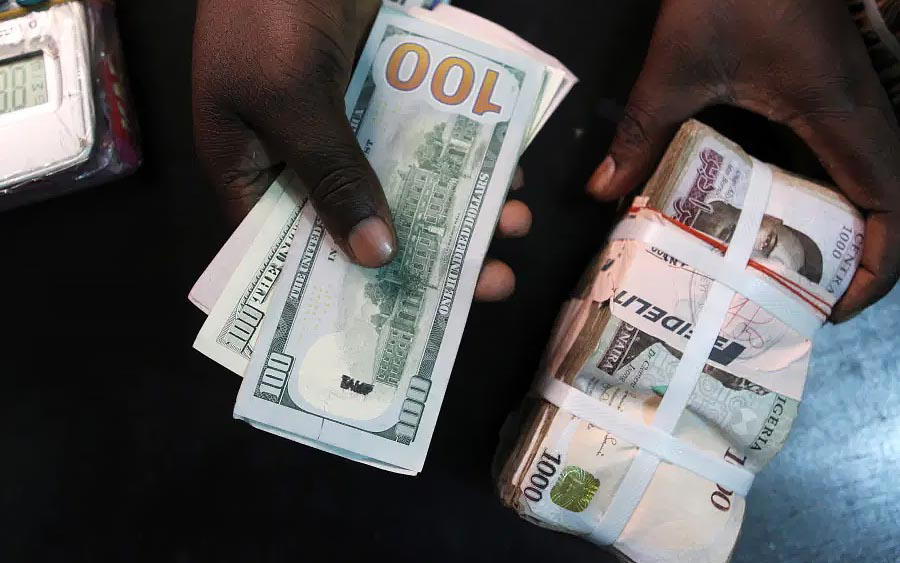
Nigerian workers are struggling as inflation rises and the minimum wage remains insufficient. The situation highlights the urgent need for support and policy changes to improve their livelihoods.
Live intelligence from 10+ verified Nigerian and UK sources
Nigerian workers are struggling as inflation rises and the minimum wage remains insufficient. The situation highlights the urgent need for support and policy changes to improve their livelihoods.
The removal of petrol subsidy is debated as not providing immediate fiscal benefits. The discussion highlights ongoing issues in Nigeria's fiscal policy and price distortions.
Kwara State has initiated a plan to commercialise its livestock sector, aiming to empower women and youths. This initiative is expected to foster sustainable agricultural enterprises in the region.
The naira has shown a slight appreciation against the dollar in the official FX market. This occurred despite a complete lack of turnover in trading activities.
The Development Bank of Nigeria (DBN) has declared an N8.5 billion dividend for its shareholders. Additionally, lending to micro, small, and medium enterprises (MSMEs) has reached N1.4 trillion, contributing to the creation of 1.6 million jobs.
Traders in Adamawa are expressing concerns as a curfew disrupts inter-state trade and halts essential supply vehicle movements. The popular Tingno market has completely closed due to these restrictions.
The completion of the OB3 project is a significant advancement for Nigeria's gas infrastructure. Minister Ekperikpe Ekpo highlighted its potential to enhance supply reliability and support industrial growth.
Alex Otti delivered a compelling lecture on Nigeria's economy, receiving praise for its brilliance and relevance. The event highlighted critical economic issues facing the nation.
The UAE's withdrawal from OPEC+ raises concerns about Nigeria's oil revenue. This change could significantly impact Nigeria's economic stability and oil market dynamics.
Ghana is enhancing its investment climate by passing new legislation aimed at attracting non-trading investors. This move positions Ghana as a leading market in West Africa for investment opportunities.
NNPC has achieved a significant milestone with the successful crossing of the River Niger for the OB3 Gas Pipeline. This development enhances the pipeline's capacity to transport up to 2 billion standard cubic feet of gas daily.
The Central Bank of Nigeria has introduced revised minimum capital requirements, prompting a strong response from the financial community. This move is expected to enhance the stability and competitiveness of Nigeria's financial sector.
Cross-border trade between Nigeria, Niger, and Benin has resumed, aiming to boost regional commerce. However, the threat of jihadist expansion poses significant risks to these economic gains.
The ongoing oil crisis has intensified demands for a quicker transition to clean energy. Rising crude prices are prompting discussions on sustainable alternatives amidst geopolitical tensions.
Umo Eno, the Governor of Akwa Ibom State, has inaugurated a new agricultural equipment leasing facility in Uyo. This initiative aims to enhance food supply through mechanised farming.
NNPC has successfully completed the River Niger crossing for the OB3 gas pipeline project. This development is expected to boost energy availability and support national economic growth.
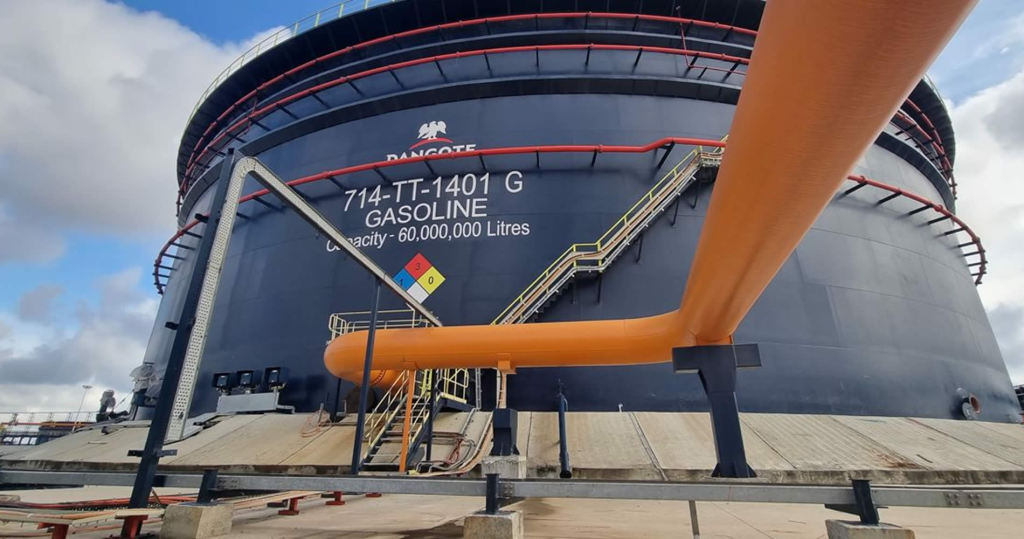
Dangote Refinery has increased the prices of petrol and diesel due to rising global oil prices. Petrol is now priced at N1,275 per litre and diesel at N1,800 per litre amidst supply concerns.
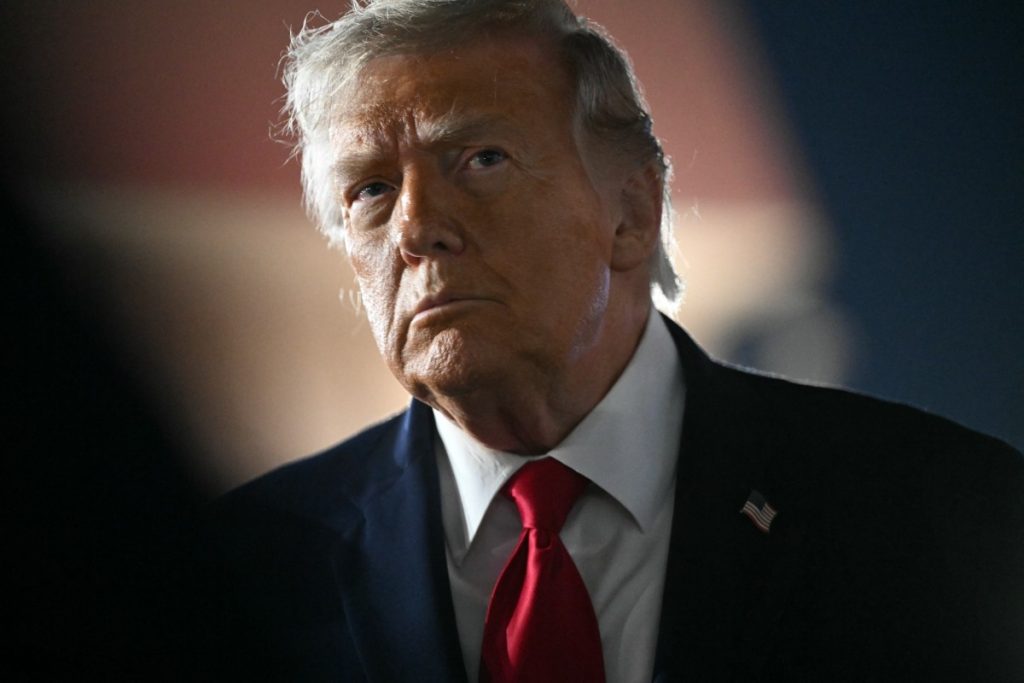
President Donald Trump indicated that a US naval blockade against Iran might extend for months, causing a significant rise in oil prices. This situation has resulted in oil prices reaching their highest levels in over four years.
The US is advocating for a new coalition to ensure the safe passage of oil through the Strait of Hormuz. This move comes as Iran attempts to leverage its control over this critical waterway amidst rising tensions.
EFInA and BOA have signed a Memorandum of Understanding to improve financial access for smallholder farmers. This partnership aims to enhance financial inclusion in the agricultural sector.
Oil prices increased by 7% amid concerns over potential blockades in the Strait of Hormuz. Meanwhile, stock markets experienced a decline due to warnings from the US president regarding negotiations with Tehran.
Mr. Alake has called for African nations to unite in order to maximize benefits from the global mineral economy. He emphasized the importance of harmonizing mining policies and enhancing intra-African trade.
The Central Bank of Nigeria has introduced a new policy aimed at improving remittance discipline. This initiative seeks to rebuild trust in the financial system and enhance the effectiveness of international money transfers.
Adewale-Smatt Oyerinde, the NECA DG, emphasizes the need for Nigeria to address the rising cost of living to ensure the success of wage reforms. He highlights that without tackling this issue, the reforms may not yield the desired benefits for workers.
Nigeria's reputation issues pose significant risks to its economic security. Addressing these vulnerabilities is crucial for the nation's stability and growth.
Oyo State is taking bold steps in energy investment to enhance its infrastructure and secure a sustainable future. This approach contrasts with other Nigerian states that struggle to utilize their revenues effectively.
Dangote Refinery has raised petrol prices, bringing them close to N1,400 per litre. This increase is attributed to various underlying factors affecting the market.
Nigerian fish farmers are struggling due to an eight-year export ban on smoked catfish imposed by the United States. The ban was enacted after the Nigerian government did not meet safety requirements.
Nigeria's stock market experienced a significant boost, with transactions reaching N4.14 trillion in the first quarter of 2026. This marks the highest quarterly value ever recorded in the country's financial history.
The article discusses the necessity of a democratic developmental state in Nigeria to surpass the constraints of neoliberalism. It argues that this approach is essential for genuine economic advancement for the populace.