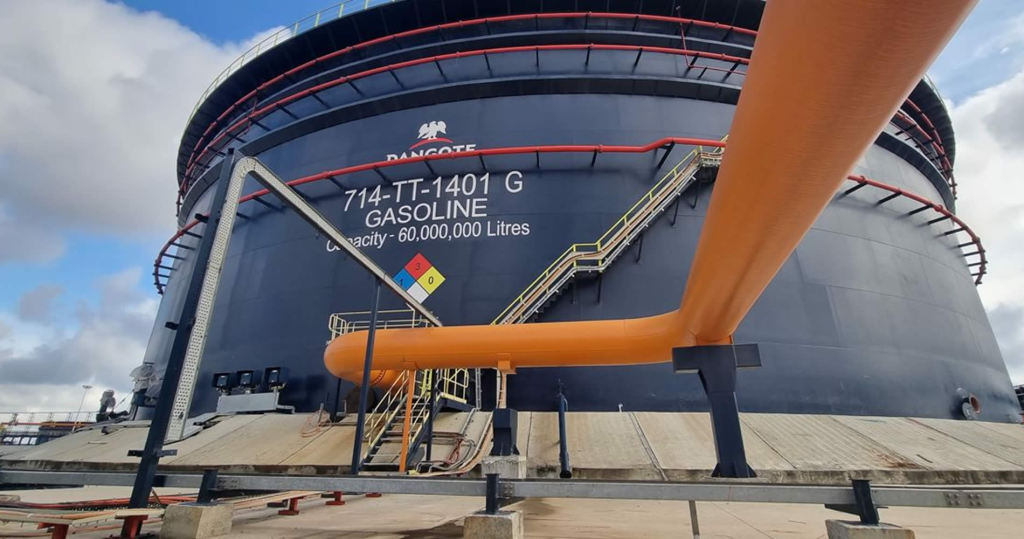
Despite a recent price cut announced by Dangote Petroleum Refinery, fuel marketers in Abuja have opted to maintain higher petrol prices, raising questions about market dynamics and regulatory effectiveness. On June 18, 2026, the refinery reduced its ex-depot price, yet retail prices remained unchanged, with consumers still facing inflated costs at the pump.
This situation underscores the ongoing challenges within Nigeria's fuel sector, which has struggled with price volatility and supply chain issues. Stakeholders are concerned about the implications for consumers and broader economic stability. "The lack of price alignment is troubling and reflects a disconnect between refinery prices and market realities," remarked Ayo Olatunji, an industry analyst.
As the government grapples with the complexities of fuel pricing and distribution, the persistence of high petrol prices despite refinery reductions signals potential resistance from marketers. Looking ahead, it remains crucial for regulatory bodies to enforce pricing transparency and accountability to ensure that consumers benefit from any reductions in raw material costs. Without intervention, the gap between refinery prices and retail costs could continue to strain the economy and public sentiment.