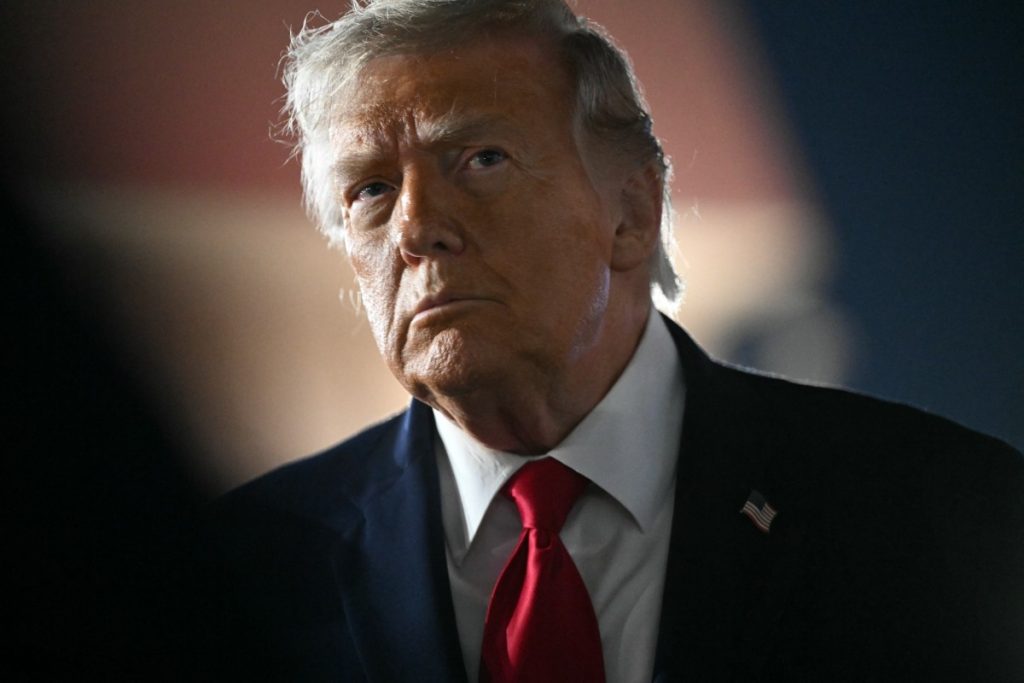
Oil prices have plummeted following a groundbreaking agreement between US President Donald Trump and Iranian President Ebrahim Raisi to end hostilities and reopen the strategically critical Strait of Hormuz. This development has sent shockwaves through global markets, as the Strait is a vital conduit for approximately a fifth of the world’s oil supply.
The agreement comes after years of escalating tensions between the two nations, stemming from sanctions and military confrontations. Trump's administration heralded the deal as a triumph of diplomacy, with the President stating, "This is a significant step towards stability in the region and global energy markets." Analysts note that the reopening of Hormuz could lead to a surge in oil supply, further driving prices down, which may benefit consumers but could complicate matters for oil-producing nations reliant on higher prices.
As the dust settles, market observers will closely monitor how this agreement impacts geopolitical dynamics in the Middle East and whether it fosters a more stable energy environment. The future of oil prices remains uncertain as the global market adjusts to this new reality, with potential implications for both producers and consumers alike.