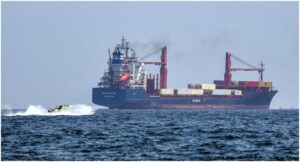
Oil prices have experienced a significant decline following the recent agreement between the United States and Iran to reopen the Strait of Hormuz, a critical artery for global oil transport. This development comes as a relief after months of conflict that had severely disrupted energy markets and triggered inflationary pressures worldwide. The deal signals a potential thaw in relations, raising hopes for sustained stability in the region.
Key industry stakeholders expressed cautious optimism. "This agreement marks a pivotal moment for both nations and the global energy landscape," said David Chen, Chief Analyst at Global Energy Insights. "It could restore confidence among investors and consumers alike." The reopening of Hormuz promises to alleviate supply chain disruptions that have plagued oil markets, potentially leading to lower prices at the pump and easing inflation.
Looking ahead, the successful implementation of this deal may herald a new era of cooperation between the U.S. and Iran, but it will depend on both nations' commitment to maintaining peace. As energy markets stabilize, attention will shift to how this newfound cooperation could influence broader geopolitical dynamics in the Middle East and beyond.