Ghana ends 16-month disinflation streak as prices pick up in April
Ghana's inflation rate has increased in April, ending a 16-month period of disinflation. This rise in prices indicates potential economic challenges ahead for the country.
Live intelligence from 10+ verified Nigerian and UK sources
Ghana's inflation rate has increased in April, ending a 16-month period of disinflation. This rise in prices indicates potential economic challenges ahead for the country.
Simisola Fajemirokun-Ajayi has announced plans to develop Ondo State's bitumen economy to drive growth. Her blueprint aims to leverage local resources for economic advancement.
Nigeria's air freight market is expected to grow to $5.6 billion by 2029, fueled by increasing exports and digital trade. This growth is largely attributed to the rapid expansion of small businesses in the country.
The Central Bank of Nigeria has scheduled its 305th Monetary Policy Committee meeting for May 19-20. This follows a recent rate cut in February, indicating ongoing adjustments in monetary policy.
Investing in local enterprises is crucial for strengthening food systems and energy access. Such investments enhance economic resilience, especially during uncertain times.
Minister of Finance Taiwo Oyedele discussed the significance of e-invoicing in Nigeria, emphasizing its potential impact beyond mere compliance. The conversation highlights the financial implications of adopting e-invoicing practices in the country.
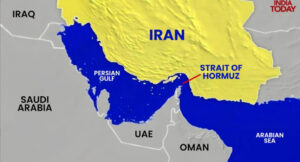
Commodity ship transits in the Strait of Hormuz have reached their lowest level since the onset of the war. This decline impacts global hydrocarbon exports significantly.
Africa's economic landscape is evolving, with commodity exporters seeing benefits from global demand. The report highlights the ten largest economies projected for 2026.
The Niger Delta Transparency Forum has expressed concerns regarding a reported 5% divestment by Cassa Depositi e Prestiti in Nigeria. They are questioning the implications for shareholders and the region's interests.
Nigeria's finance minister has confirmed that the country will not revert to subsidy and price controls. The government aims to maintain market-driven reforms to support economic stability.
Dangote Refinery has increased the price of petrol to N1,350 per litre, marking the 12th adjustment in five months. This continuous rise in fuel prices raises concerns about the impact on consumers and the economy.
Nigerians may face higher petrol prices due to a significant increase in global crude oil prices. This rise is expected to affect the cost of refined petroleum products in the country.
Dangote Refinery has increased the price of petrol to ₦1,350 per litre, marking a ₦75 rise. This change is attributed to global oil market pressures and domestic distribution challenges.
Oil prices dropped by over 5% due to optimism surrounding a potential peace deal between the United States and Iran. This development reflects growing hopes for stability in the Middle East.
Nigeria's financial system is expected to see a significant liquidity boost of N10.53 trillion in May 2026. This increase is primarily attributed to higher maturities from OMO and T-bills.
Crude deliveries to Dangote and other refiners fell to 28.5 million barrels in Q1, despite an allocation of 61.9 million barrels. The NUPRC attributes this shortfall to pricing discrepancies between producers and local refiners.
Nigeria's increasing government debt is making it difficult for businesses to access credit. This situation raises concerns about the country's fiscal health and its impact on the private sector.
The finance minister, Taiwo Oyedele, is taking steps to settle a longstanding N4 trillion debt owed to contractors. This move aims to resolve ongoing disputes and improve financial relations within the economy.
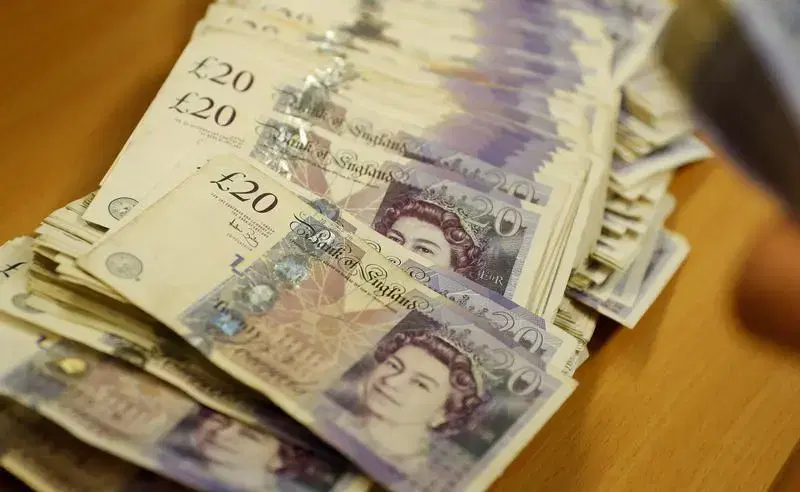
The Nigerian Naira showed slight improvement against the British Pound on May 6, 2026. This positive trend is attributed to gradual enhancements in foreign exchange liquidity.
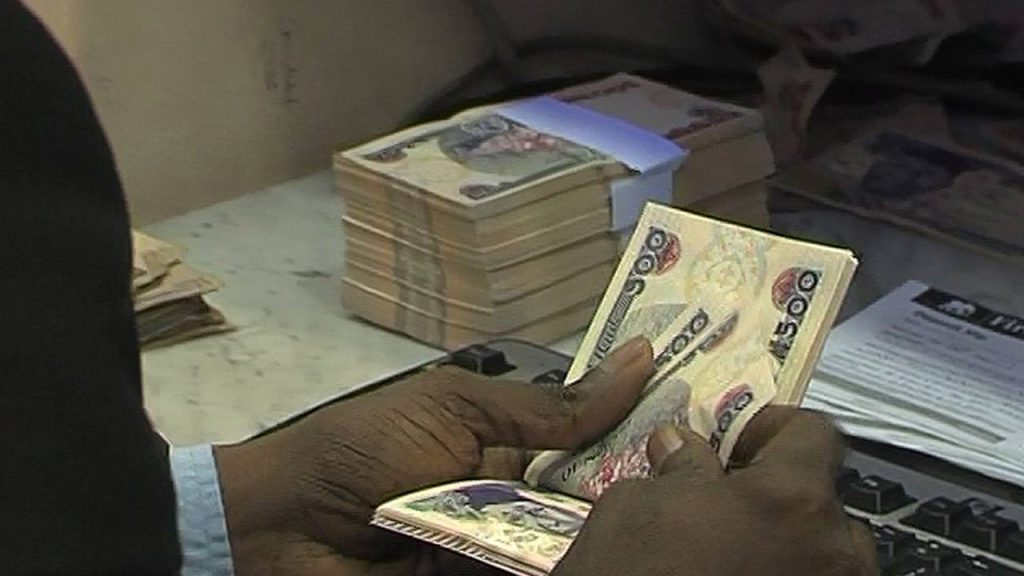
The Nigerian Naira gained slightly against the US Dollar on May 6, 2026, due to improved forex liquidity. This positive trend was observed in both the official and parallel markets.
Telecom vandalism in Nigeria poses a significant threat to the digital economy, driven by organized crime. This issue affects everyone, highlighting the need for collective action to combat the sabotage.
President Tinubu has outlined a post-2027 agenda focused on fiscal discipline and policy consistency to attract global investors. Investors have responded positively, expressing optimism about Nigeria's economic reforms.
The Naira has appreciated to N1,382 per dollar in the parallel market, improving from N1,387 the previous day. This slight rise indicates a positive trend for the currency in the informal exchange market.
Twenty-three stocks on the Nigerian Bourse have doubled in value, exceeding the triple-digit return threshold. This significant performance highlights a positive trend in the Nigerian stock market.
Nigeria's stock market fell by N1.35 trillion due to profit-taking by investors, particularly in MTN Nigeria Communications and other companies. This broad sell-off impacted key sectors significantly.
The Apapa gridlock has resurfaced, raising concerns among stakeholders in the maritime and logistics sector. Key players are blaming each other for the ongoing congestion affecting access to Nigeria's busiest ports.
Nigeria is experiencing a rapid shift towards a tech-driven second-hand goods market due to digital marketplaces and economic pressures. This transformation is changing how people buy, sell, and access affordable products.
Nigeria's digital economy is expanding rapidly, but it faces significant challenges from rising cybercrime, resulting in annual losses of N12 billion. The pace of security improvements is not keeping up with the growing threat of cyber attacks.
Private sector credit in Nigeria has reached a record N94.6 trillion, indicating strong financial activity. Meanwhile, government borrowing has also increased to N39.4 trillion, reflecting ongoing fiscal challenges.
Eight banks in Nigeria have incurred expenses of N993.34 billion related to AMCON and NDIC. This highlights the growing operational costs faced by the banking sector.