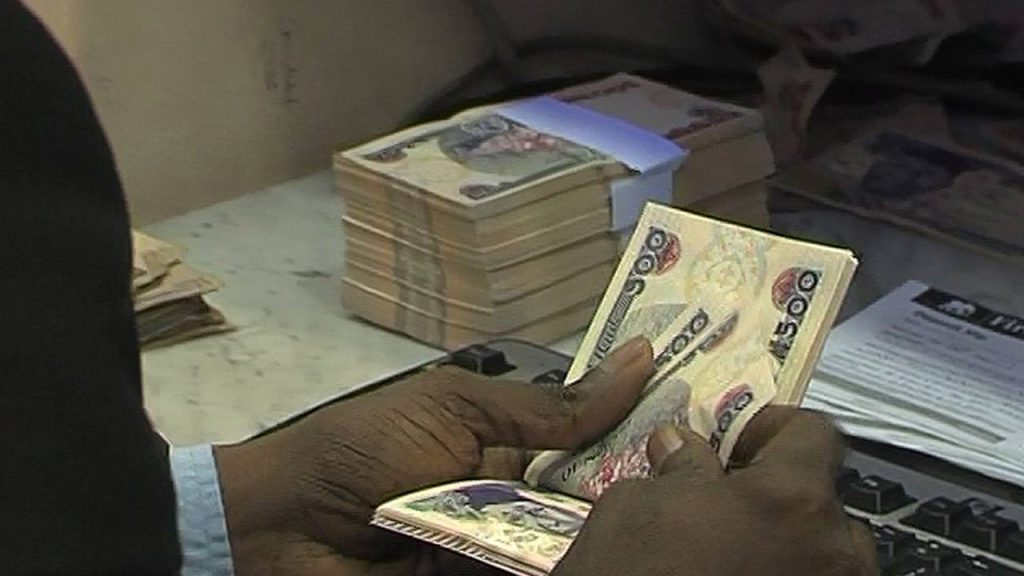
Nigeria's escalating government debt crisis is increasingly squeezing the private sector, making it harder for businesses to secure essential credit. With the country's debt reaching unprecedented levels, financial institutions are prioritizing government bonds over loans to enterprises. This shift has left many businesses struggling to finance operations and expansion, raising alarms about the long-term implications for economic growth.
Recent reports indicate that Nigeria's debt has surged past 40 trillion naira, prompting concerns about fiscal sustainability and investor confidence. "The government must re-evaluate its borrowing strategies to ensure that the private sector can thrive alongside public spending," cautioned Dr. Ngozi Okonjo-Iweala, former finance minister and current director-general of the World Trade Organization. This sentiment reflects a growing consensus among economists that without a balanced approach, the government's fiscal policies could stifle the very engine of economic development: the private sector.
As Nigeria navigates this precarious financial landscape, the challenge remains to strike a balance between necessary public expenditure and fostering an environment where businesses can thrive. Without decisive action, the country's debt binge could undermine its economic prospects for years to come.