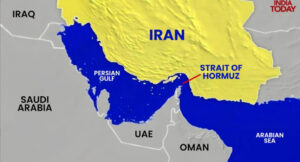
The ongoing conflict in the region has severely disrupted maritime activity, with commodity ship transits through the Strait of Hormuz hitting their lowest levels since the war began. This vital chokepoint, which facilitates nearly a fifth of global oil trade, is now experiencing a significant decline in traffic, impacting hydrocarbon exports and raising concerns about energy security worldwide.
Key developments include increased military presence in the area and heightened fears of further escalations. Analysts warn that the reduced flow of commodities could lead to price spikes, putting additional pressure on already strained global supply chains. "The situation is unprecedented; if this continues, we could see long-term ramifications for energy prices and availability," stated Ahmed Zaki, an energy analyst at the Middle East Institute.
As the conflict persists, stakeholders are urged to seek diplomatic resolutions to stabilize shipping lanes. The international community must prioritize safeguarding this essential route to restore confidence in energy markets and mitigate the ripple effects on global economies. Without a concerted effort, the risks associated with disrupted transits could lead to a prolonged period of instability, both economically and politically.