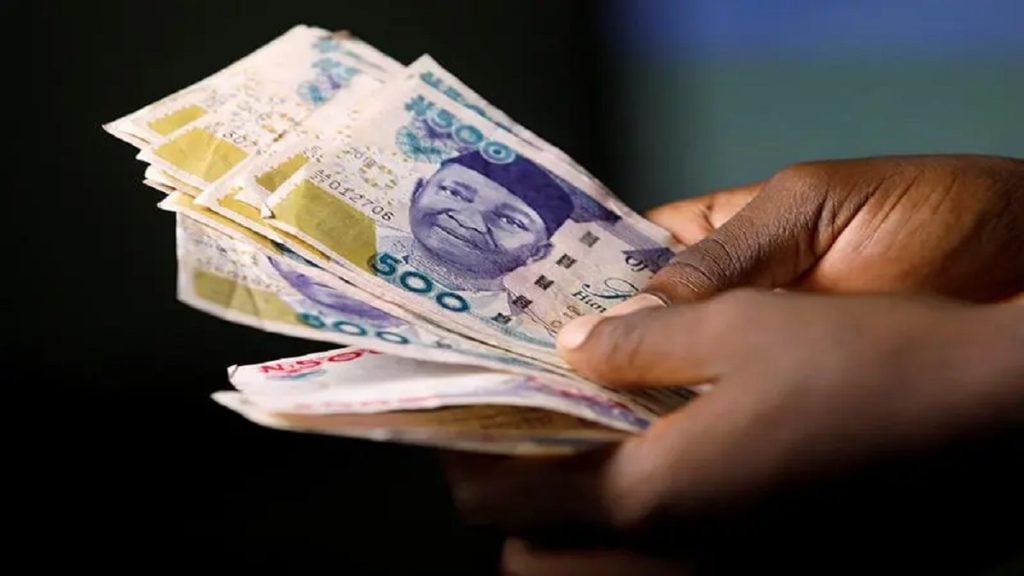
Africa loses $89bn annually to illicit financial flows – Tax experts
Tax experts reveal that Africa loses $89 billion each year due to illicit financial flows. They advocate for global tax reforms and enhanced transparency to combat this issue.
Live intelligence from 10+ verified Nigerian and UK sources
Tax experts reveal that Africa loses $89 billion each year due to illicit financial flows. They advocate for global tax reforms and enhanced transparency to combat this issue.
According to him, insecurity, high fertiliser prices, rising fuel costs and expensive farm operations are the major drivers of current food inflation. The post Food prices may drop by next harvest – Farmers association appeared first on Vanguard News.
Egypt has overtaken Nigeria on the Financial Times' list of fast-growing firms, marking the first time Nigeria has lost its top position in four years. This shift is attributed to the devaluation of the naira impacting Nigerian companies.
Gunmen abduct a businessman in Irawo, Oyo State, after trailing him from a market. A 10-year-old girl was also injured by gunfire during the kidnapping.
Nigeria's trade volume increased in Q1, with cargo throughput reaching 32.38 million tons. This growth is attributed to the operational impact of the Lekki Deep Sea Port and rising trade demand.
The naira's exchange rate against the dollar shows relative stability due to Central Bank interventions and increased foreign exchange inflows. Analysts remain optimistic about the currency's performance in the official market.
NNPC and NUPRC have significantly increased their remittances to Nigeria's treasury, contributing over N322 billion and $116.9 million. This surge follows President Tinubu's Executive Order 9 aimed at enhancing revenue generation.
Oil prices have surged to $105 despite ongoing tensions between the US and Iran. Markets appear unfazed by the geopolitical deadlock, indicating resilience in the face of uncertainty.
The Nigerian government is negotiating a new $1.25 billion loan with the World Bank. This follows a warning from the Accountant-General about potential rejection of loan facilities due to delays in approval and disbursement.
The naira experienced slight fluctuations against the dollar on May 12, 2026, in both the official and parallel markets. Traders are closely watching forex liquidity and demand pressures.
AltBank has launched a non-interest financing initiative aimed at enhancing local drug production in Nigeria. This move seeks to reduce the continent's reliance on imported medicines.
The Nigerian Economic Summit Group (NESG) has expressed new concerns regarding Nigeria's escalating debt burden, projecting borrowings to reach approximately N29 trillion by 2026. This situation raises alarms about the country's economic stability and fiscal management.
In Nigeria, achieving financial success often comes with the expectation of supporting family and friends, known as 'Black Tax.' This communal approach can place a heavy burden on individuals, impacting their personal finances.
Nigeria is recognized as a powerful state in Africa with abundant natural resources. However, the country faces significant challenges in executing its potential effectively.
THE Naira yesterday depreciated to N1,387 per dollar in the parallel market from N1,383 per dollar last week Thursday. The post Naira down to N1,465/$ in parallel market appeared first on Vanguard News.
James Emejo in Abuja Central Bank of Nigeria (CBN), yesterday, warned that rising governance failures, operational weaknesses, and emerging technology-related threats in the non-interest financial services industry could erode public
The Alternative Bank is enhancing Nigeria's medicine security by financing local pharmaceutical manufacturers. This initiative aims to bolster the supply chain and improve access to essential medicines.
Governor Ademola Adeleke has significantly reduced Osun State's domestic debt from N148 billion to N83.32 billion. This achievement addresses the financial challenges left by former Governor Adegboyega Oyetola's administration.
Nigerian ground handlers warn domestic airlines’ N9bn debt could double by December, threatening flight operations if not addressed urgently.
Aliko Dangote targets a $50bn refinery valuation for his petroleum refinery ahead of a planned stock market listing on multiple African exchanges this year
Nigeria's stock market has achieved a significant milestone, surpassing a valuation of N160 trillion. This growth is attributed to broad-based gains across various sectors.
Retail investors in Nigeria have suffered significant financial losses due to fraudulent investment schemes. These unregulated channels lure individuals with promises of high returns before disappearing with their funds.
The Nigerian equities market gains N3.17tn as the All-Share Index surpasses the 250,000-point mark, driven by strong investor confidence and high trading v
For decades, Nigeria’s state-owned refineries in Port Harcourt, Warri and Kaduna have served as monuments of administrative rot, massive corruption and fiscal leakage. Despite the infusion of billions of dollars into perennial “turn around maintenance” (TAM) cycles,...
Olisa Agbakoba faults Nigeria’s revenue framework, linking the Treasury Single Account (TSA) to constitutional conflicts and massive financial leakages.
Nigeria is facing a significant increase in the cost of living, impacting many citizens. This situation is causing widespread concern about economic stability and affordability.
The Warri refinery should be managed by local contractors rather than foreign entities. Mohammed Abdullahi emphasizes the importance of indigenous involvement in the refinery's operations.
Mastercard and Letshego launch a new debit card in Mozambique to boost financial inclusion and transition the nation to a digital economy.
Nigeria’s crude oil export hit 485.44M barrels in 2025, 82% of total production. This report details the impact on local refineries and domestic supply.
The NDIC and Nigeria's judiciary are partnering to improve the resolution of disputes involving failed banks. This collaboration aims to enhance depositor protection and promote financial stability.