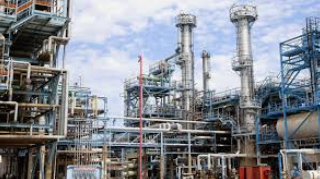
Nigeria's state-owned refineries have long epitomized the failures of public sector management, with billions spent on maintenance yielding little result. As the government considers yet another round of investments to revitalize the Port Harcourt, Warri, and Kaduna facilities, skepticism abounds. Despite repeated promises of operational efficiency, these refineries continue to suffer from inefficiency and corruption, leading to significant fiscal losses.
The latest proposal aims to inject fresh capital into the refineries, with hopes of achieving self-sufficiency in fuel production. However, industry experts warn that without substantial reforms in governance and accountability, this initiative is destined to repeat past mistakes. According to Mele Kyari, Group Managing Director of Nigerian National Petroleum Company Limited, "We must ensure that this time, the focus is on transparency and measurable outcomes."
If Nigeria is to turn the tide on its refinery crisis, it must commit to a comprehensive overhaul of management practices and implement stringent oversight mechanisms. The future of the country’s energy independence hinges on breaking the cycle of inefficiency that has plagued these facilities for decades. Without genuine reform, another roll of the dice may yield the same disappointing results.