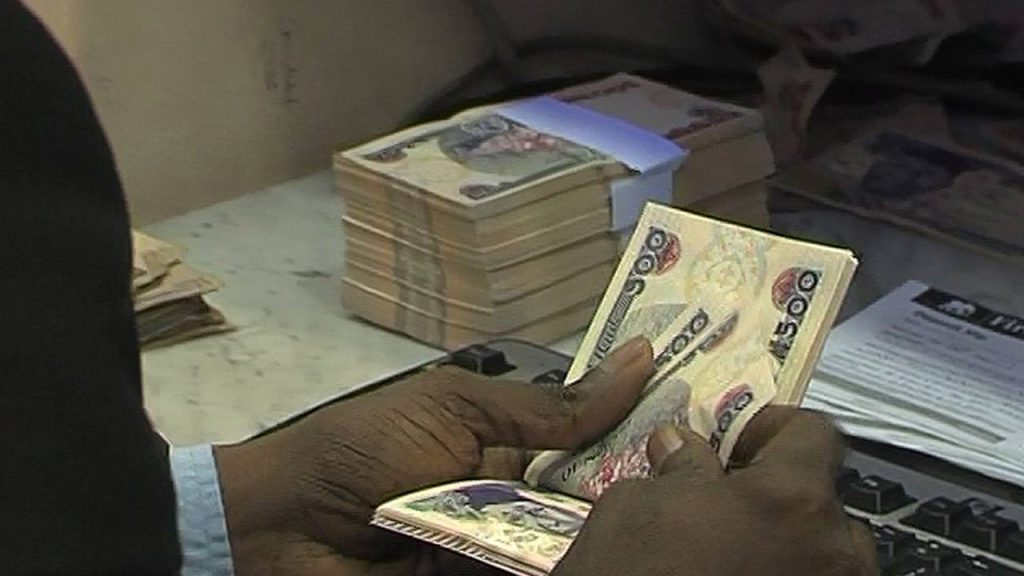
Nigeria is grappling with a sharp rise in the cost of living, prompting fears of a deeper economic crisis. Recent reports indicate that inflation rates have surged to unprecedented levels, driven by escalating food prices and energy costs. This situation has left many citizens struggling to afford basic necessities, raising alarms about the country's economic stability.
Key developments include a recent government announcement of measures aimed at curbing inflation, though skepticism remains about their effectiveness. A prominent economist, Dr. Amina Bello, commented, "Without immediate and decisive action, we risk plunging millions into poverty, further straining our already fragile economy." The government's reliance on subsidies and foreign investments has not yielded the expected relief, and the devaluation of the naira is exacerbating the situation.
Looking ahead, Nigeria must adopt comprehensive strategies that not only address short-term inflationary pressures but also promote sustainable economic growth. As the population continues to bear the brunt of rising costs, the need for effective policy interventions becomes increasingly urgent. Without these measures, the social fabric of the nation may face severe strain, threatening long-term stability.