Nigeria Increases Oil Production in May and June
Nigeria's oil production rose by 42,000 barrels per day in May, reaching 1.53 million barrels. This increase reflects a positive trend in the country's crude output for the months of May and June.
Live intelligence from 10+ verified Nigerian and UK sources
Nigeria's oil production rose by 42,000 barrels per day in May, reaching 1.53 million barrels. This increase reflects a positive trend in the country's crude output for the months of May and June.
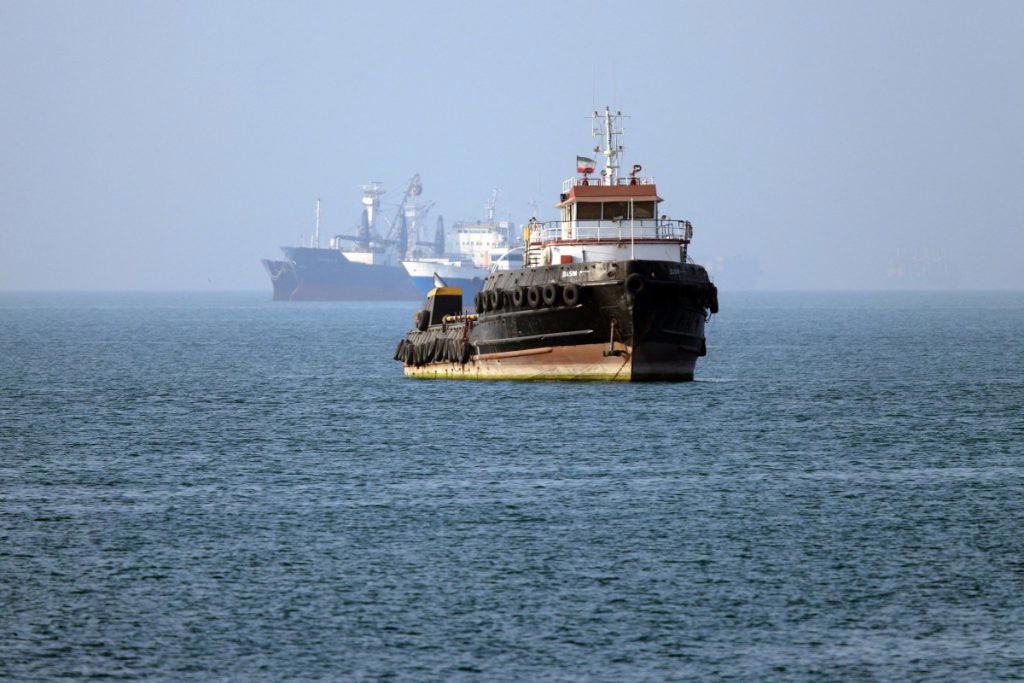
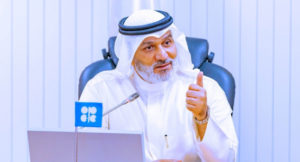
OPEC+ has agreed to raise oil production by 188,000 barrels per day starting in August. This decision comes as global oil prices decline with the reopening of the Strait of Hormuz for exports.
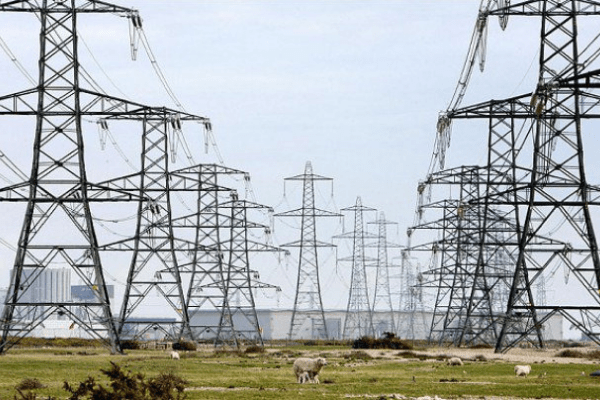
Nigeria's electricity subsidy costs are projected to reach N358.32 billion in early 2026, highlighting ongoing challenges in the power sector. The government continues to face criticism due to persistent power outages despite significant financial support.
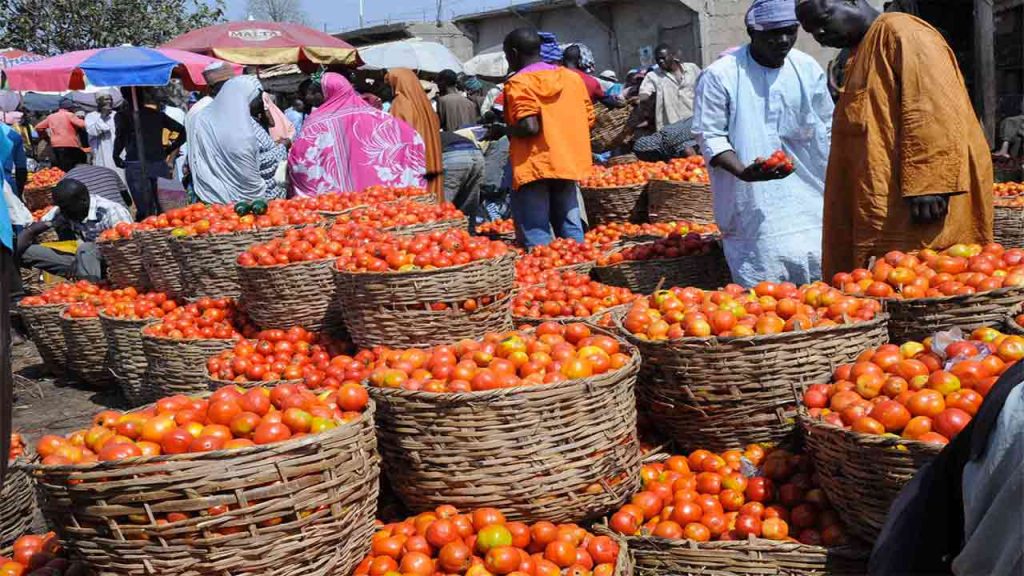
Housewives and caterers in Nigeria are expressing their frustration over rising tomato prices, which they say is affecting meal quality. The instability in tomato prices has led to concerns about the impact on cooking and food preparation.
The EBRD plans to invest at least $1.5 billion in Nigeria over the next three years, marking a significant expansion in Sub-Saharan Africa. This investment aims to bolster economic growth and development in the region.
Nigeria is launching a strategic roadmap to leverage its critical mineral deposits for industrial growth. This initiative aims to attract investments in clean energy manufacturing.
Nigerian manufacturers are shifting towards local sourcing and value addition to lessen their reliance on imports. This strategy aims to combat rising production costs and enhance competitiveness in both domestic and regional markets.
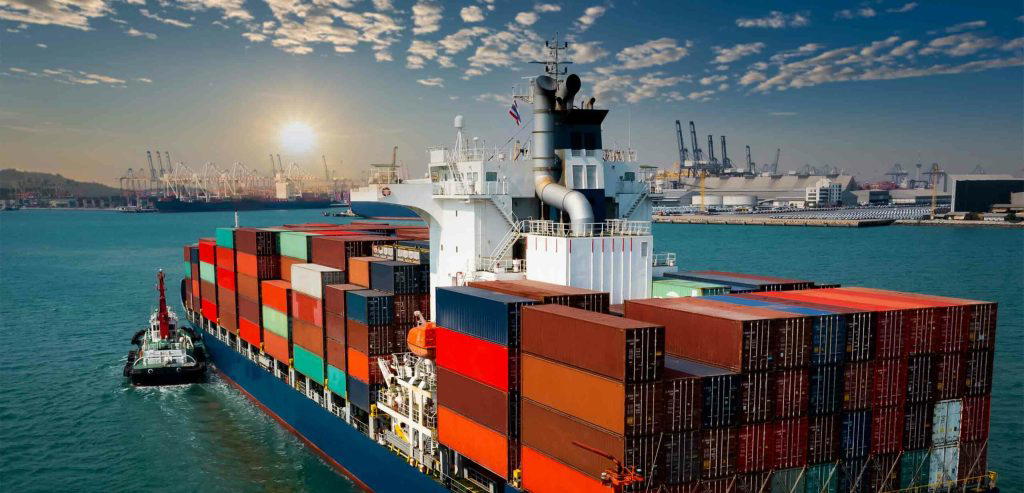
The Nigerian Shippers' Council has secured N90.6 billion and $1.348 million for the shipping industry. This financial protection is a result of their regulatory interventions and dispute resolutions.
Nigeria's finances have improved following the end of a major fuel subsidy three years ago. The article explores the benefits and allocation of the funds that were previously used for the subsidy.
The Nigerian naira is trading at ₦1,370.33 against the US dollar on July 6, 2026. This indicates a period of relative stability in Nigeria's foreign exchange market.
The Nigerian stock market has experienced a decline for the third consecutive week, with profit-taking leading to a loss of N1.8 trillion. Analysts project monetary tightening in the second half of 2026.
Oil prices have declined as markets display mixed signals, particularly due to a slowdown in the technology sector. Optimism remains regarding US-Iran peace talks, which could influence future market dynamics.
The Victoria Island-Lekki gas pipeline is crucial for enhancing industrial productivity in the region. Its development is expected to stimulate economic growth and attract investments.
Nigeria's MSMEs are facing severe challenges due to frequent power outages, which threaten their viability. The situation is exacerbated by high inflation and weak consumer demand.
An APC leader in Ondo State has urged FirstBank to reopen its Idoani branch, which has been closed for seven years following a robbery. The closure is said to negatively impact the rural economy in the area.
The Stanbic IBTC’s Purchasing Managers’ Index report reveals a decline in manufacturing output despite growth in other economic sectors. This indicates a mixed economic performance, with improving demand benefiting certain areas.
Nigeria's economy is showing strong signs of stability as it enters the latter half of 2026. This positive outlook suggests potential growth and resilience in the economic landscape.
The Centre for the Promotion of Private Enterprise reports that Nigeria's economy is showing improved macroeconomic conditions and increased investor confidence as it begins the second half of 2026. The organization urges the government to implement policies that foster a more competitive business environment.
– Says investment in science, engineering, research and innovation holds key to sustainable prosperity Sunday Aborisade in Abuja Founder of ARCO Group Plc, Alfred Okoigun, has called on Nigeria to urgently
Local investors are increasingly dominating the Nigerian stock market, reflecting a positive trend in market activity and investor confidence. This growth indicates a strengthening of the local financial landscape.
The Rural Electrification Agency has partnered with Jigawa State and the Nigerian Commodity Exchange to provide 7MW of power to seven industrial hubs. This collaboration aims to boost economic activities in the region.
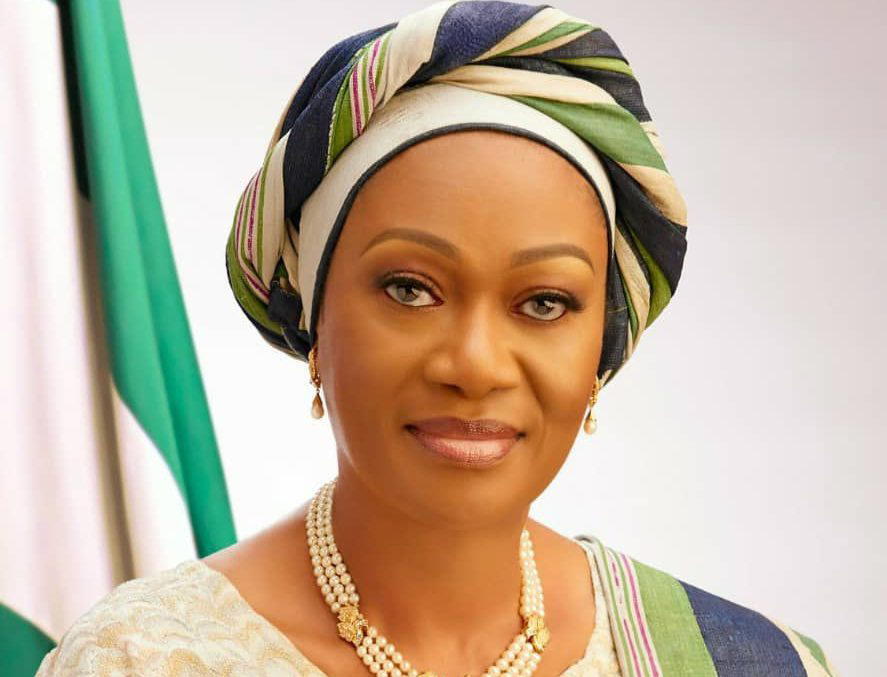
Senator Oluremi Tinubu encourages Nigerian youths to engage in akara production and other local foods as a means of empowerment. This initiative has sparked a national conversation about entrepreneurship and self-reliance.
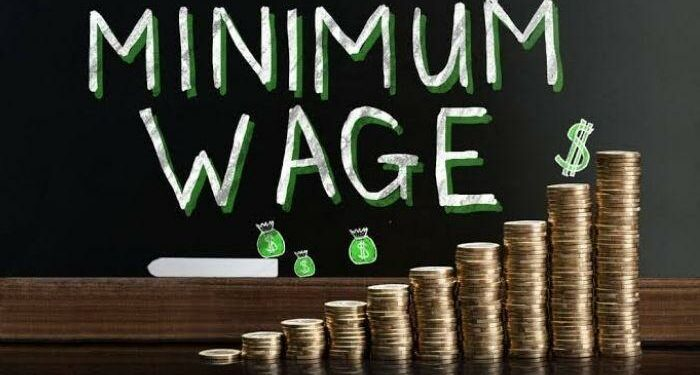
The Federal Government is revisiting the minimum wage issue to ensure it keeps pace with inflation and living costs. The proposed N70,000 minimum wage reflects President Bola Tinubu’s commitment to economic reform.
Nigeria's recent surge in oil revenue may soon come to an end, prompting calls for prudent economic management. Experts warn that without careful planning, the country could face significant financial challenges ahead.
Local experts warn that U.S. economic policy recommendations could negatively impact Nigeria's economy, despite positive feedback from the IMF. They advise caution regarding VAT and telecom policies.
The Chartered Institute of Stockbrokers has clarified that FTSE Russell's delay in Nigeria's reclassification to Frontier Market status is a temporary review. They emphasize that this does not indicate a reversal of the country's capital market reforms.
SOLA ONI contends that markets should not be judged solely by how convenient they are for foreign capital When FTSE Russell announced its proposal to reclassify Nigeria from “Unclassified” to
Kayode Tokede Amidst uncertainty in the business environment, banks borrowing from Central Bank of Nigeria (CBN) dropped by 96.04 per cent Year-on-Year (YoY) to N2.33trillion in half year (H1) of 2026
Energy expert Dan Kunle has advised President Bola Tinubu to privatize Nigeria's four state-owned refineries. He argues that continued public spending on these facilities has not provided value and is a burden on the economy.
The Nigeria Customs Service and Afreximbank are enhancing their partnership to tap into Africa's $3.4 trillion market potential. This collaboration aims to boost intra-African trade and support the implementation of the African Continental Free Trade Area (AfCFTA).