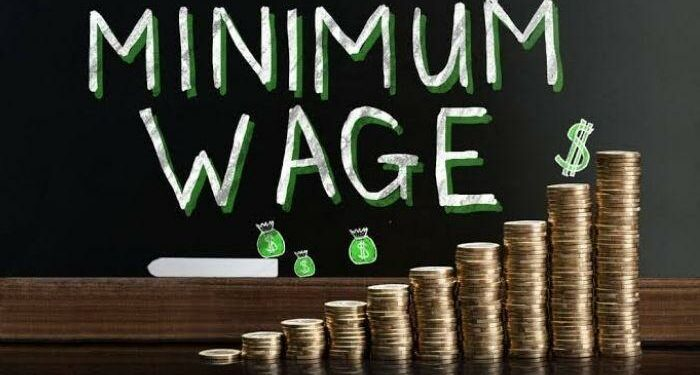
The ongoing debate over Nigeria's minimum wage underscores a crucial economic challenge: balancing fair compensation with inflationary pressures. Established at N70,000 in 2024 during President Bola Tinubu’s initial reforms, this wage has struggled to maintain its purchasing power amid rising living costs. The Federal Government's decision to revisit the minimum wage reflects an urgent need to address the widening gap between wages and inflation.
Stakeholders across the spectrum have voiced their opinions. "A realistic minimum wage must reflect the true cost of living, ensuring that workers can afford basic necessities," stated Dr. Amina Ibrahim, an economist and labor rights advocate. This sentiment resonates as many citizens face increasing hardships due to economic instability.
As discussions progress, it will be vital for the government to engage with labor unions and economic experts to establish a sustainable wage that not only uplifts workers but also accounts for economic realities. A balanced approach could serve as a foundation for broader economic recovery, promoting social stability while fostering growth. The path to a sustainable minimum wage is challenging, but it is essential for the country’s future prosperity.