Petrol rose to N1,288.54 per litre in March, says NBS
Nigeria's average petrol price increased to N1,288.54 per litre in March, marking a 22.55% rise from February. This surge reflects ongoing challenges in the country's fuel pricing system.
Live intelligence from 10+ verified Nigerian and UK sources
Nigeria's average petrol price increased to N1,288.54 per litre in March, marking a 22.55% rise from February. This surge reflects ongoing challenges in the country's fuel pricing system.
The NMDPRA has proposed a new price range for aviation fuel, suggesting it should be between ₦1,960 and ₦2,800 per litre. This recommendation comes in response to rising fuel prices impacting airlines' operating costs.
Nigerian manufacturers are expressing concerns over the low share of manufactured goods in the country's export market, despite a significant increase in total exports. They attribute this issue to ongoing structural challenges that hinder competitiveness.
The Hormuz chokepoint is causing disruptions in fertilizer supply, which could threaten Africa's food security. However, the continent possesses the resources necessary to address this issue.
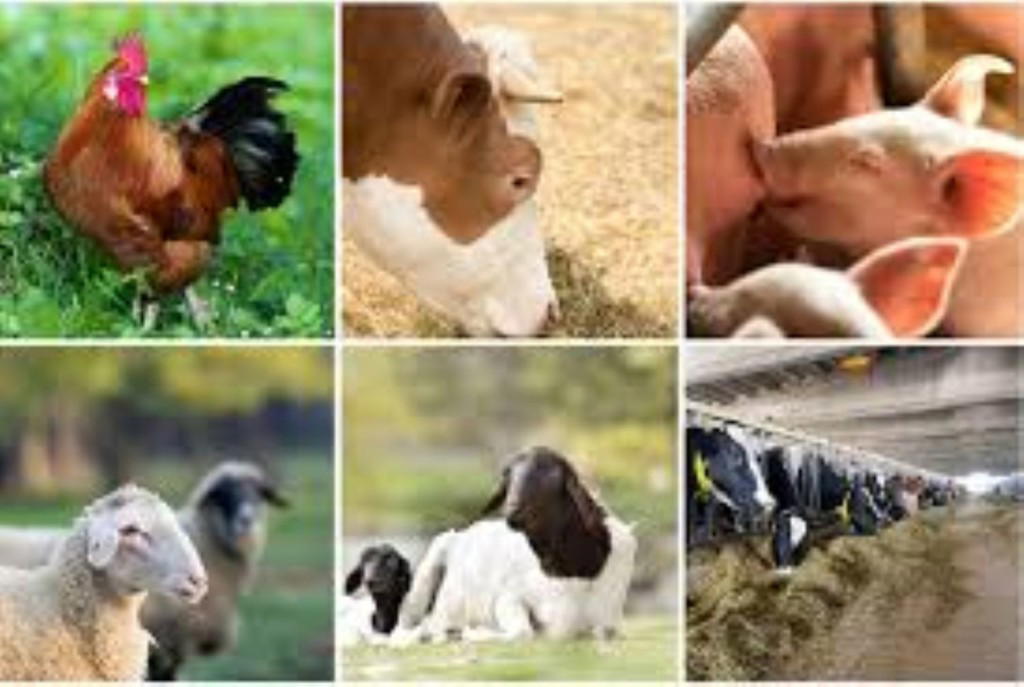
The Minister of Livestock Development, Alhaji Idi Mukhtar Maiha, has introduced a 10-point strategy to tap into Nigeria's $74 billion livestock economy. The plan emphasizes private investment, productivity, and addressing infrastructure gaps.
Nigeria spends $6 billion each year on imported clothing, highlighting challenges in the local textile industry. The government acknowledges issues like poor infrastructure and trade malpractices affecting local manufacturers.
The Nigerian government has launched multi-lingual toolkits aimed at enhancing trade procedures and increasing non-oil exports. This initiative is expected to significantly boost Nigeria's participation in the African Continental Free Trade Area (AfCFTA).
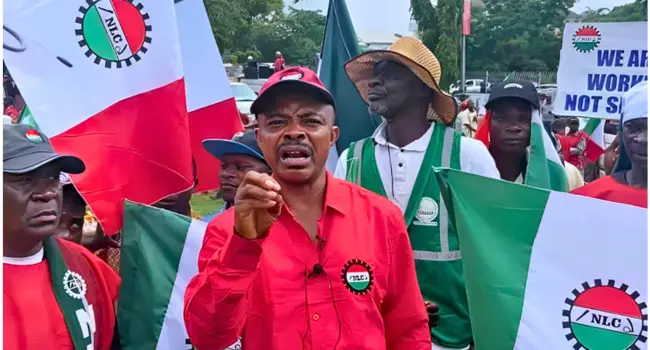
The Nigeria Labour Congress (NLC) emphasizes that a salary of ₦1 million is ineffective without a stable Naira. They call for a currency that can adequately support workers and their families.
The federal government is implementing the African Continental Free Trade Area (AfCFTA) locally to enhance exports from Micro, Small, and Medium Enterprises (MSMEs) in Northwest Nigeria. This initiative aims to strengthen the local economy and support small businesses in the region.
NNPC reports that crude oil production has reached 1.71 million barrels per day. The company has resumed consistent remittances to the federation account since July 2025.
Venezuela's oil production has drastically declined, with less than 30% of its oil wells currently active. This situation is attributed to years of corruption, underinvestment, and US sanctions.
Nigerians are increasingly turning to solar energy to combat persistent electricity shortages. This shift is proving beneficial for many households and businesses seeking reliable power sources.
Nigeria is currently redefining its investment landscape amid economic challenges and reforms. This shift aims to attract more intelligent capital over the next decade.
Nigeria's public debt stock rose to N159.28 trillion in Q4 2025, up from N153.29 trillion in the previous quarter. This increase highlights ongoing fiscal challenges faced by the country.
Leadway Assurance and the Presidential Food Systems Coordinating Unit have disbursed N396.7 million to support farmers for the 2025 season. State governments are encouraging farmers to adopt agro-insurance for better resilience against losses.
The article discusses Taiwan's significant economic influence despite its political isolation. It raises questions about loyalty and political support in the context of international relations.
The naira experienced some pressure in the official foreign exchange market due to tightening liquidity. Additionally, Nigeria's reserves have seen a decline, impacting the currency's performance.
NUPENG warns that job losses and the suppression of workers' rights in Nigeria's oil sector are escalating due to subsidy removal and unfair practices. The union highlights the urgent need for intervention to protect oil workers.
Abdullahi Usman calls for self-reliance and agricultural reform to promote sustainable growth in Nigeria. He emphasizes the need for stricter regulations and value addition in the mining sector.
DR Congo plans to enhance security at its mining sites using a paramilitary unit. This move aims to protect its significant cobalt, copper, coltan, and lithium resources.
Nigeria's external reserves have declined after previously gaining. This fluctuation is influenced by oil revenue changes and foreign exchange interventions.
Nigerian women are playing a pivotal role in transforming the economy with their ambition and strategic initiatives. Their contributions are becoming increasingly visible and impactful.
A recent global report highlights that two-thirds of the world's hunger is concentrated in just ten countries. This alarming statistic underscores the urgent need for targeted interventions in these regions.
The Debt Management Office (DMO) aims to raise ₦700 billion in the upcoming FGN bond auction. This move occurs in a context of high yields in the fixed-income market and ongoing liquidity management by the Central Bank of Nigeria.
Mo’Afrique has launched a new garment factory in Nigeria to help reduce the country's $6 billion clothing import bill. This initiative aims to boost local production and support the economy.
The dollar is facing instability as traders evaluate the impact of faltering US-Iran negotiations. This situation is exacerbated by rising oil prices and inflation, which threaten global economic growth.
Gadain emphasizes the need for Nigeria to add value to its agricultural products to combat a N2.5 trillion export deficit. He warns against reliance on imports and advocates for investments in processing and export competitiveness.
A union has threatened legal action against governments failing to pay gratuities in Nigeria's pension system scandal. This highlights ongoing issues within the pension framework that affect many retirees.
Oil prices have increased while stock markets show volatility amid uncertain peace talks. The situation remains fluid as diplomatic discussions unfold.
The European Central Bank is expected to maintain its interest rates amid rising inflation concerns. This decision comes as tensions related to the Iran crisis could further impact economic stability.