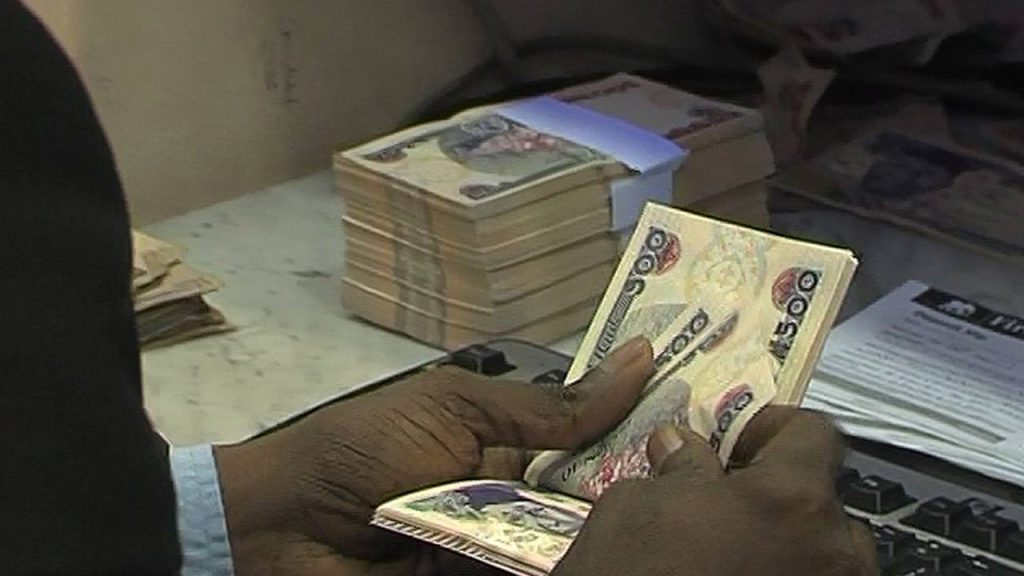
Nigeria's external reserves have taken a downturn, reversing earlier gains that had offered a glimmer of hope for the economy. The decline, attributed to fluctuating oil revenues and ongoing foreign exchange market interventions, raises concerns about the country's financial stability. As of late April 2026, reserves stood at approximately $35 billion, a significant drop from previous highs.
The central bank's efforts to stabilize the naira through foreign exchange interventions have not yielded lasting results, as oil prices remain volatile and global demand shifts. "We must diversify our economy and reduce reliance on oil to ensure sustainable growth," stated Dr. Amina Bello, an economist at the Nigerian Economic Summit Group. Her insights reflect a growing consensus among experts about the need for structural reforms.
Looking ahead, the interplay between oil revenue and foreign exchange strategies will be crucial for Nigeria's economic health. Policymakers must prioritize diversification and resilience-building measures to cushion against future shocks. Without significant changes, the fluctuating external reserves may continue to threaten Nigeria's economic recovery and stability in the coming months.