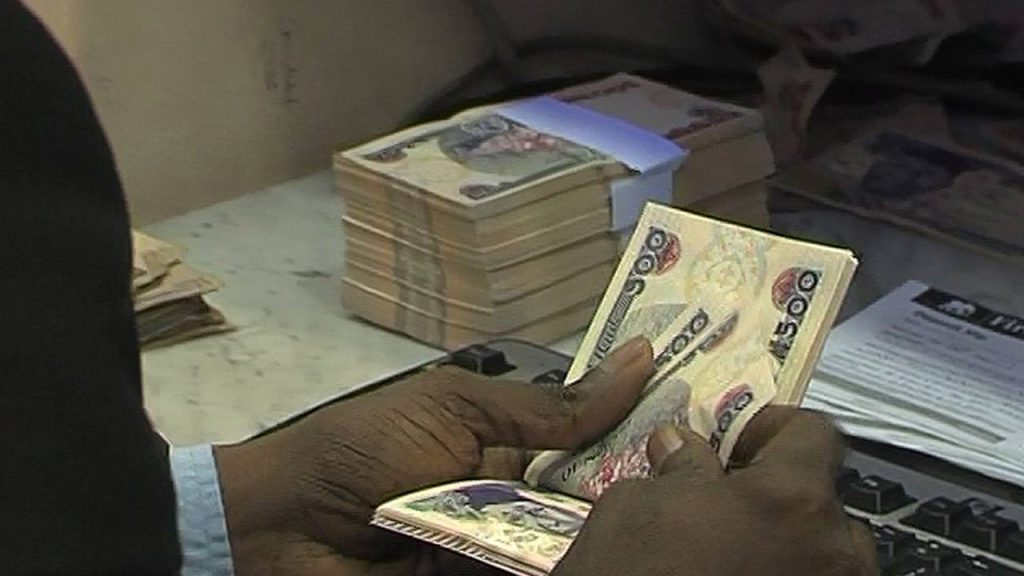
Nigeria's public debt stock has surged to N159.28 trillion in Q4 2025, reflecting the nation’s persistent fiscal challenges. This increase from N153.29 trillion in the previous quarter signals a troubling trend as the government grapples with rising expenditures amid dwindling revenues. The debt escalation raises concerns about the sustainability of Nigeria's financial health, especially as the economy struggles with inflation and currency devaluation.
Key stakeholders, including the Minister of Finance, Zainab Ahmed, have emphasized the need for urgent reforms. "We must implement strategies to enhance our revenue generation and reduce dependency on borrowing," she stated, highlighting the critical nature of the situation. Analysts warn that without a strategic plan to manage debt levels, Nigeria risks jeopardizing its economic recovery.
Looking ahead, the government's ability to stabilize the economy will hinge on effective fiscal management and economic diversification. As global economic conditions evolve, Nigeria must prioritize sustainable growth strategies that balance debt obligations with necessary investments in infrastructure and social services. The coming months will be crucial in determining whether Nigeria can navigate this fiscal landscape effectively.