Abia to launch campaign to promote made-in-Aba products
Abia State Government is set to launch a campaign to promote locally made products from Aba. This initiative aims to create 10,000 jobs through the Fashion Future Programme.
Live intelligence from 10+ verified Nigerian and UK sources
Abia State Government is set to launch a campaign to promote locally made products from Aba. This initiative aims to create 10,000 jobs through the Fashion Future Programme.

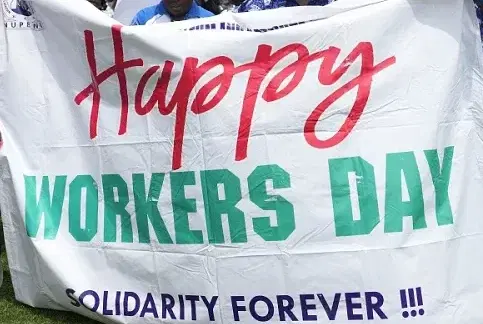
African workers are voicing their concerns over increasing inequality and economic challenges during this year's May Day celebrations. The International Trade Union Confederation highlights the issue of elite control and the impact on workers' rights.
The Lagos Chamber of Commerce and Industry urges the federal government to enhance fiscal management. They highlight weak budget execution and delays in fund releases as significant economic challenges.
Nigeria faces a critical issue with counterfeit products, leading to health risks and economic losses. Urgent action is needed to protect consumers and legitimate businesses from these dangers.
Nigerian workers are struggling with stagnant wages, earning significantly less than their peers in other countries. The national minimum wage remains at N70,000, which is insufficient for many families.
Oil prices have surged to $126 per barrel, marking the highest level since 2022. This increase follows reports of the US military preparing to brief President Donald Trump on new strategies regarding Iran.
NNPC has completed the River Niger crossing for the OB3 gas pipeline, which is expected to enhance gas supply and power generation. This project aims to help Nigeria achieve its target of 12 billion standard cubic feet per day by 2030.
The Niger Delta is poised to attract new investments, potentially transforming its economy and providing opportunities for local communities. This shift could turn the region from a security hotspot into a hub for economic growth.
The Federal Executive Council has approved $2.99 billion for light rail projects in Lagos, Kaduna, and Kano to enhance the economy. This decision also resolves a long-standing dispute related to the MM2 airport terminal.
Nigeria's revenue from the solid minerals sector has increased, reaching approximately N68.1 billion in 2025. Stakeholders are advocating for the expansion of cooperatives to further boost this sector.
The Centre for the Promotion of Private Enterprise (CPPE) is advocating for a shift in Nigeria's labor advocacy towards a more comprehensive approach to workers' welfare. This change aims to enhance the overall well-being of employees beyond just wages.
Olayemi Cardoso, Governor of the Central Bank of Nigeria, announced new risk-based capital rules aimed at enhancing bank stability and restoring investor confidence. Directors are urged to focus on consolidation and rebuilding trust in the banking sector.
President Bola Tinubu has declared Nigeria a prime investment destination despite its challenges. He emphasized the country's potential to attract investors.
The article critiques the notion that removing petrol subsidies will create a fiscal windfall for Nigeria. It argues that this perspective is fundamentally flawed and overlooks the complexities of the country's economic situation.
Nigeria has been ranked as the sixth most attractive destination for outsourcing globally. This ranking highlights the country's competitive labor costs in Africa.
The discussion on Nigeria's borrowing needs to shift from a binary view to focus on purpose and outcomes. Addressing fiscal responsibility is crucial for the country's future.
Nigeria's debt situation is becoming increasingly alarming, as it poses a significant threat to the nation's future. This issue requires urgent attention to prevent further economic decline.
Nigeria is preparing for a potential increase in fuel prices as Brent crude oil reaches $126 per barrel. The ex-depot price of diesel has already hit N1800 per litre.
Minimum wage earners in Nigeria can only afford to cook two pots of jollof rice, costing N30,435. This highlights the challenges faced by workers amid rising food prices.
Nigeria's International Workers' Day celebrations are marred by a severe cost-of-living crisis affecting workers. This situation marks the most challenging economic period for laborers in a generation.
The Nigerian equities market has gained N3.2 trillion as bullish trends continue. High demand for large-cap stocks is driving this positive momentum.
FIWON highlights that Workers’ Day brings minimal optimism for Nigeria's informal sector. They call for immediate social protection measures, including pensions and healthcare coverage.
Agege Local Government has teamed up with the Lagos State Employment Trust Fund to introduce a loan scheme for small businesses. This initiative aims to provide financial support of up to N1 million to help entrepreneurs thrive.
NNPC has completed the OB3 River Niger crossing, aiming to boost domestic gas supply by 500 million standard cubic feet per day. This development is expected to enhance energy availability in Nigeria.
The Manufacturers Association of Nigeria and Zobis Cable have committed to boosting manufacturing in the South-East. This initiative aims to create jobs and enhance the competitiveness of local industries.
The Lagos Chamber of Commerce and Industry (LCCI) has criticized Nigeria's budget execution, highlighting concerns over spending oil windfalls. They warn that weak implementation could jeopardize fiscal sustainability.
NNPC has successfully completed the OB3 pipeline crossing over the River Niger. This development is expected to significantly enhance Nigeria's gas supply, benefiting power generation and economic growth.
IATA is urging African governments to prioritize aviation in their economic strategies due to high taxes affecting the sector. This advocacy highlights the need for policy changes to enhance the aviation industry's growth in Africa.
Nigerian workers are struggling as inflation rises and the minimum wage remains insufficient. The situation highlights the urgent need for support and policy changes to improve their livelihoods.
The removal of petrol subsidy is debated as not providing immediate fiscal benefits. The discussion highlights ongoing issues in Nigeria's fiscal policy and price distortions.