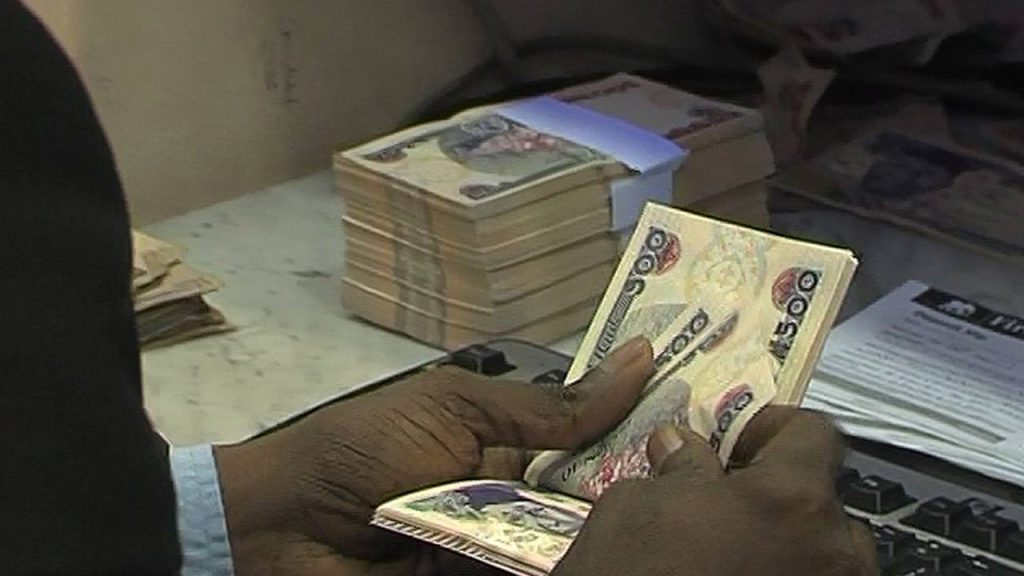
As Nigeria commemorates May Day 2026, workers face an increasingly dire economic landscape marked by soaring inflation and stagnant wages. The minimum wage, set at 30,000 naira, has failed to keep pace with the rising cost of living, leaving many families struggling to make ends meet. Despite being a vital part of the economy, workers are feeling the pinch as essential goods become increasingly unaffordable.
Labor leaders are sounding the alarm on this crisis. "We are calling for an urgent review of the minimum wage to reflect current economic realities," said Ayuba Wabba, President of the Nigeria Labour Congress. This sentiment underscores the growing frustrations among workers who feel their contributions are undervalued in an environment where their purchasing power continues to erode.
The government faces mounting pressure to implement meaningful policy changes that not only address wage inadequacies but also stimulate economic growth and job creation. As the nation navigates these challenges, it becomes essential to prioritize worker welfare to ensure a more equitable and resilient economy for all Nigerians.