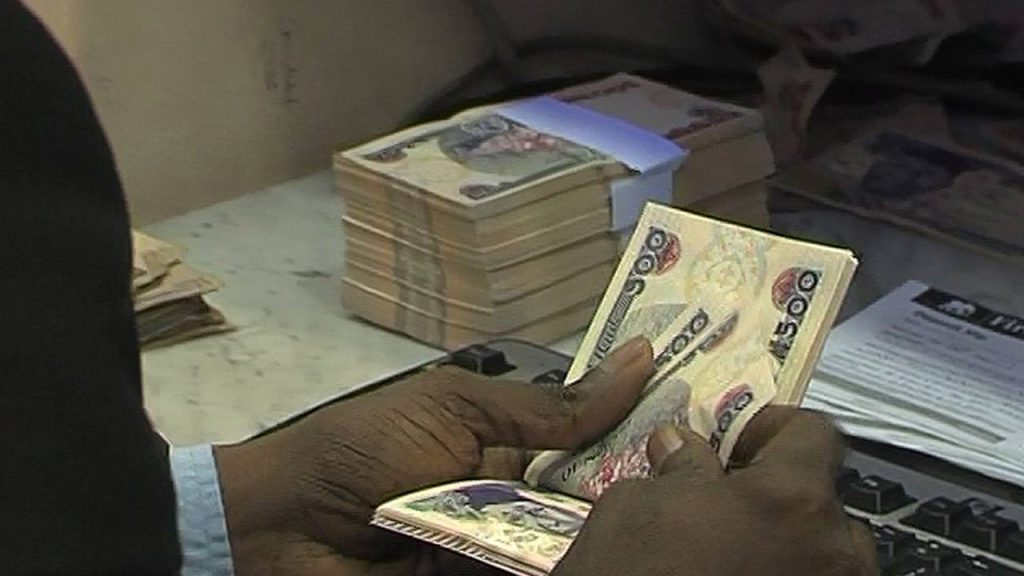
As Nigeria grapples with the removal of fuel subsidies, the question of its persistent borrowing looms large. The elimination of subsidies, intended to ease fiscal pressures, has not translated into reduced debt levels, prompting concerns over the country's economic strategy. Critics argue that the government's focus should shift from merely acquiring loans to ensuring that borrowed funds yield tangible outcomes.
According to Muda Yusuf, Director-General of the Lagos Chamber of Commerce and Industry, “The critical issue is not the borrowing itself, but what we do with the funds. Without a clear strategy, we risk compounding our economic troubles.” This sentiment echoes a growing frustration among stakeholders who demand transparency and accountability in fiscal management.
As Nigeria embarks on this new chapter post-subsidy, the emphasis must be on fostering sustainable growth. The government faces the challenge of demonstrating that each loan serves a strategic purpose, ultimately contributing to economic stability. Without a robust framework for fiscal responsibility, the cycle of borrowing may continue, hampering the nation’s potential for long-term prosperity.