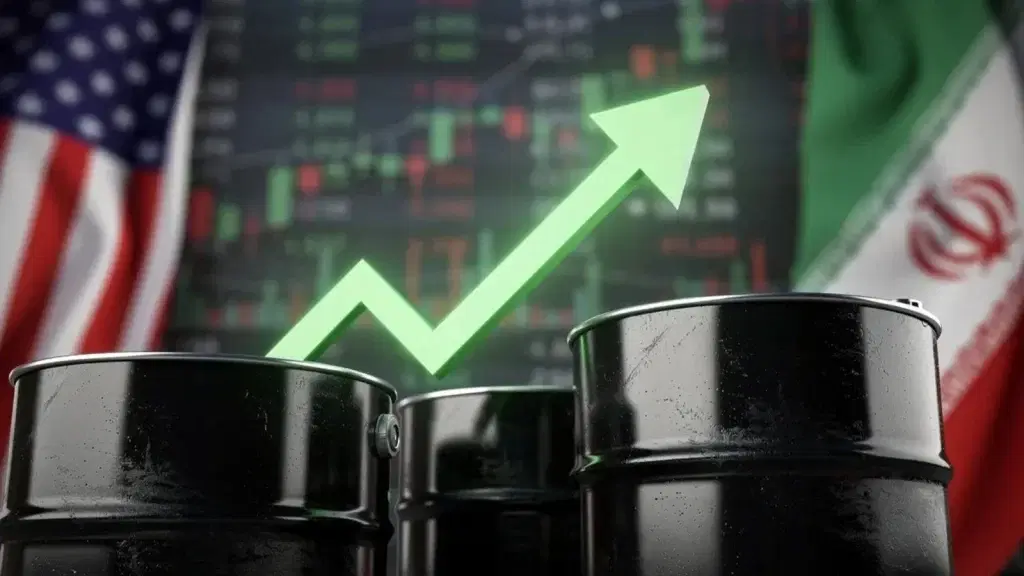
The recent attack on Saudi oil tankers by Houthi allies has reignited tensions between the US and Iran, prompting the US government to promise punitive measures against Tehran. Following the strike, oil prices surged, reflecting the market's alarm over escalating conflict in a region critical to global energy supplies. This incident underscores the fragile stability in the Middle East, where proxy conflicts often have broader implications for international relations and economic stability.
US Secretary of State Antony Blinken stated, “We will hold Iran accountable for its destabilizing actions and ensure the security of our allies.” This warning signals a potential shift in US policy towards a more aggressive stance, which could further exacerbate regional hostilities. The attack not only threatens the security of maritime routes but also jeopardizes economic recovery efforts worldwide, as energy prices are already under pressure from various global factors.
Looking ahead, the situation demands close monitoring as potential retaliatory moves by the US could escalate military engagements. The economic ramifications of sustained conflict could ripple through global markets, emphasizing the need for diplomatic solutions to prevent further destabilization in the region.