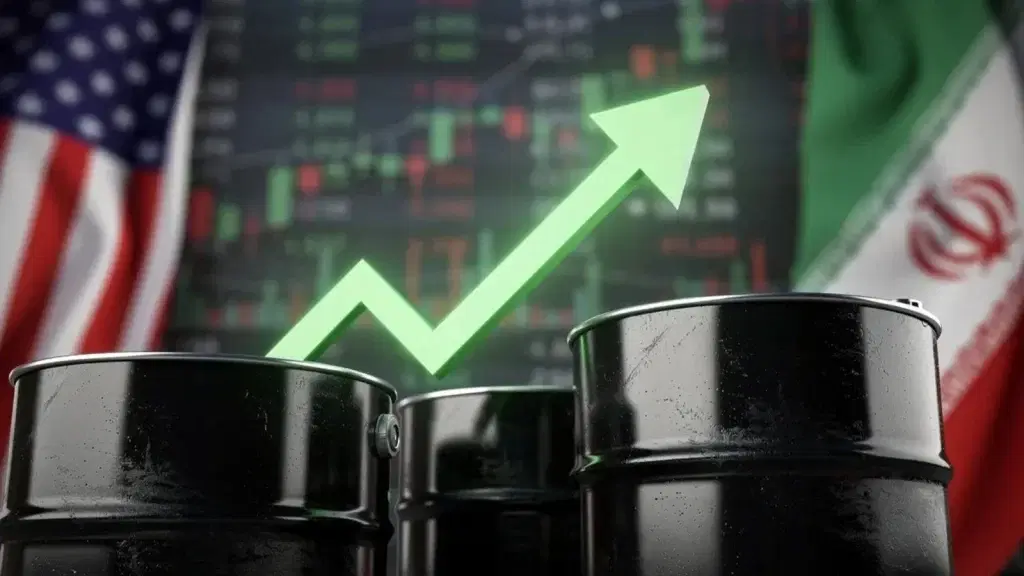
Brent oil prices have surged past $100 a barrel for the first time since late May, driven by escalating geopolitical tensions in the Red Sea and ongoing disruptions in the Strait of Hormuz. These developments raise significant supply concerns in a market already grappling with tight inventories and increased demand.
Recent attacks in the Red Sea have heightened fears of supply chain disruptions, while the Strait of Hormuz, crucial for global oil transit, faces a quasi-shutdown. According to Fatima Al-Mansoori, an analyst at the Energy Market Institute, "The recent surge in prices reflects not just immediate supply fears but also long-term concerns about stability in the region." This sentiment underscores the fragility of the oil market amid geopolitical uncertainties.
Looking ahead, the rise in oil prices is likely to impact global inflation rates and fuel costs, potentially straining economies already recovering from the pandemic. Analysts suggest that unless tensions de-escalate, consumers may face prolonged periods of elevated prices, further complicating economic recovery efforts worldwide. The situation demands close monitoring as market dynamics evolve in response to these geopolitical shifts.