
1 sources
BusinessDay 18th May 2026
The article from BusinessDay discusses various economic developments in Nigeria. It highlights key trends and insights relevant to the business community.

Live intelligence from 10+ verified Nigerian and UK sources
The article from BusinessDay discusses various economic developments in Nigeria. It highlights key trends and insights relevant to the business community.

The Oyo State Government has introduced a Digital Labour and Skills Database to enhance job creation and workforce coordination. This initiative is expected to significantly improve employment opportunities in the region.
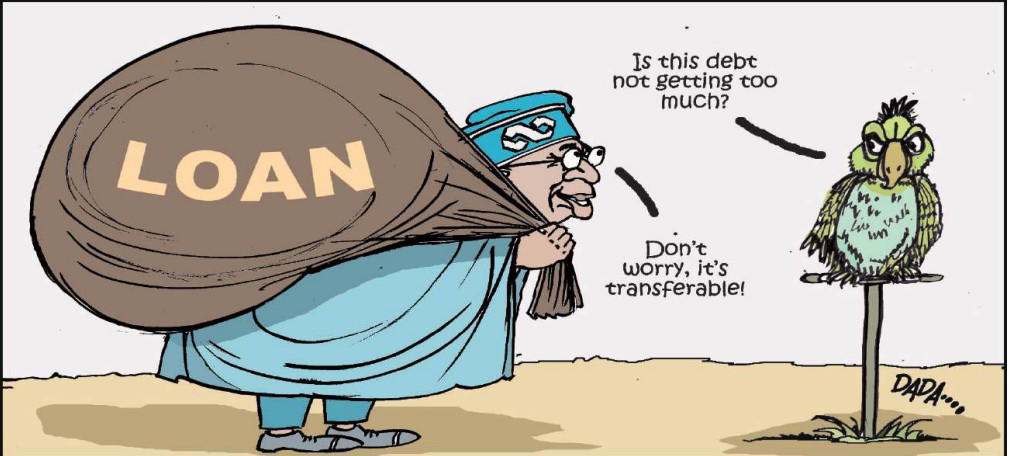
Cartoon: Generational renewable debt The post Cartoon: Generational renewable debt appeared first on Vanguard News.

A tragic report reveals that 2,800 former textile workers have died while waiting for unpaid entitlements since their companies shut down between 2002 and 2004. Over 9,000 employees were left jobless and financially stranded due to the closure.
A recent survey indicates that 63% of Nigerians are in favor of reducing interest rates. This comes as the Central Bank of Nigeria prepares for a Monetary Policy Committee meeting amidst various economic pressures.
The SEC has issued a warning to Nigerians about the dangers of unregistered online investment schemes on social media, highlighting their Ponzi scheme characteristics. This caution aims to protect investors from potential financial losses.
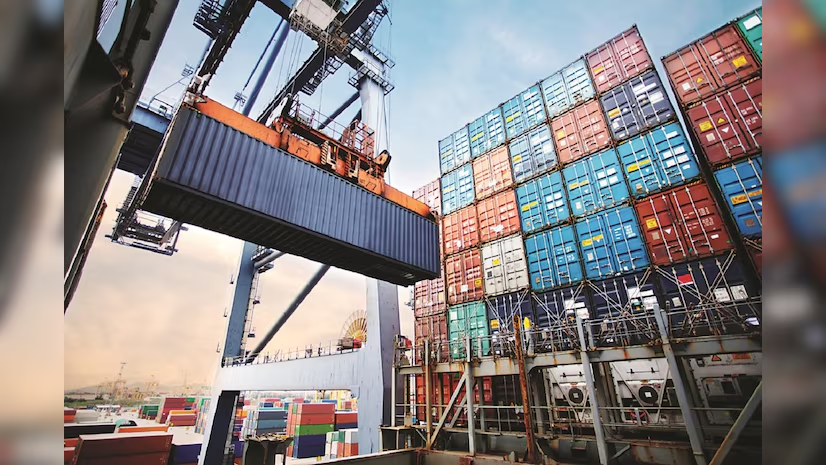
Nigeria's manufacturing exports have remained stagnant for four years, even as total export values have increased. This trend highlights ongoing challenges in the manufacturing sector despite overall trade growth.

The Nigerian naira experienced slight fluctuations against the US dollar on May 18, 2026, amid ongoing demand for foreign exchange. This trend reflects the continuing pressures in the forex market.
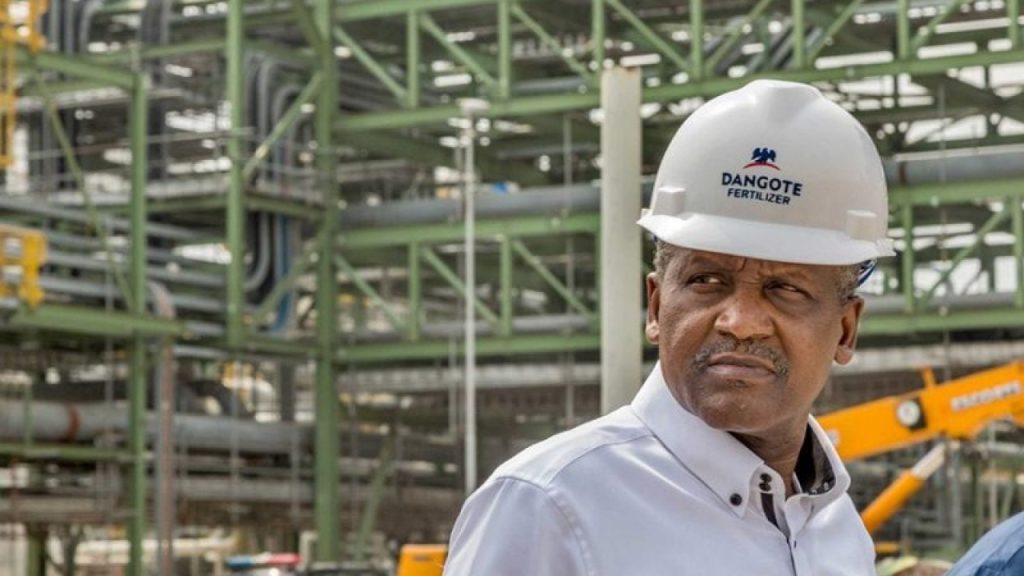
Aliko Dangote has pledged to enhance food security in Africa by investing in large-scale fertiliser production. He believes the continent can achieve self-sufficiency and even become a net exporter of agricultural products.
Nigeria's manufacturing exports have remained stagnant for four years, despite an increase in total export value. This trend raises concerns about the competitiveness of the manufacturing sector in the country.

The Nigerian stock market continued its upward trend, gaining N3.34 trillion as investor interest surged. This growth was driven by strong performances in banking, consumer goods, and select industrial stocks.

Street food vendors are adapting to rising tomato prices by turning to 'esa', a cheaper alternative. This shift reflects the broader economic challenges affecting food affordability in Nigeria.
Eighteen countries are implementing various measures to protect their citizens from the rising global energy prices. These measures include subsidies, tax cuts, and price caps aimed at alleviating the financial burden on households.
An expert has attributed the decline in property investment in Nigeria to fraud, poor land records, and economic instability. These issues are significantly impacting investor confidence in the real estate sector.
The Nigerian capital market surged as investors traded 7.77 billion shares valued at N374bn. Explore the sectors and stocks driving this impressive growth.
The Bank of Industry has secured a $200 million support from the African Development Bank to enhance financing for SMEs, women, and youth enterprises. This initiative aims to bolster local manufacturing and promote a sustainable economy in Nigeria.
A recent report indicates that women own 40% of businesses in Nigeria. However, they encounter significant challenges in accessing credit, which impacts economic growth.
At the AWBFA conference, leaders from CBN and CIBN called for stronger female banking leadership, highlighting mentorship, collaboration, and training.
A leading tax expert urges Nigerian practitioners to prioritize ethical tax practice over short-term gains to build public trust and uphold global standard
The Centre for the Promotion of Private Enterprise warns against additional monetary policy tightening by the Central Bank of Nigeria. They emphasize the need for a balanced approach to support economic growth.
Emmanuel Addeh in Abuja The Managing Director and Chief Executive Officer of the Niger Delta Power Holding Company (NDPHC), Jennifer Adighije, has expressed the readiness of the company to play a

Nigeria's inflation has risen for the second consecutive month, prompting the Monetary Policy Committee to consider holding interest rates steady. This trend is influenced by global factors, including the U.S./Iran conflict, which has reversed previous disinflationary trends.
The article discusses the concept of Nigeria's dependency ratio, highlighting its cultural significance and the term 'wahala' that resonates widely. It emphasizes how certain words transcend language barriers and become part of global consciousness.
A report highlights that Nigeria's financial system is hindering the growth of MSMEs due to high monetary policy rates and inflation. It emphasizes the need for productive lending rather than mere discussions on support.

The Central Bank of Nigeria has kept the Monetary Policy Rate at 26.50%, resulting in the maximum lending rate remaining unchanged at 35.17% for the second month. This stability in lending rates may provide some predictability for borrowers in the banking sector.
Nigeria's gross external reserves have increased to $48.54 billion, marking a significant recovery. This rise of over $218 million reflects a positive trend in the country's foreign currency buffer.

Nigeria's pension crisis leaves retirees facing uncertainty and neglect after years of service. Many former workers, including those from Nigeria Airways, have waited over two decades for their pensions.
Stakeholders in Nigeria's capital market recently celebrated the 50th anniversary of the Financial Trust Company (FTC), recognizing its significant contributions. The event highlighted the importance of indigenous institutions in fostering market growth.
Emma Okonji The Nigeria Revenue Service (NRS) has authorised Upperlink Limited as the System Integrator on Nigeria’s national e-invoicing platform, even as the company will support businesses while Nigeria advances
Lagos Speaker Mudashiru Obasa emphasized the importance of strong institutions and transparent governance for economic growth in Lagos. He urged investors to consider these factors when engaging with the region.