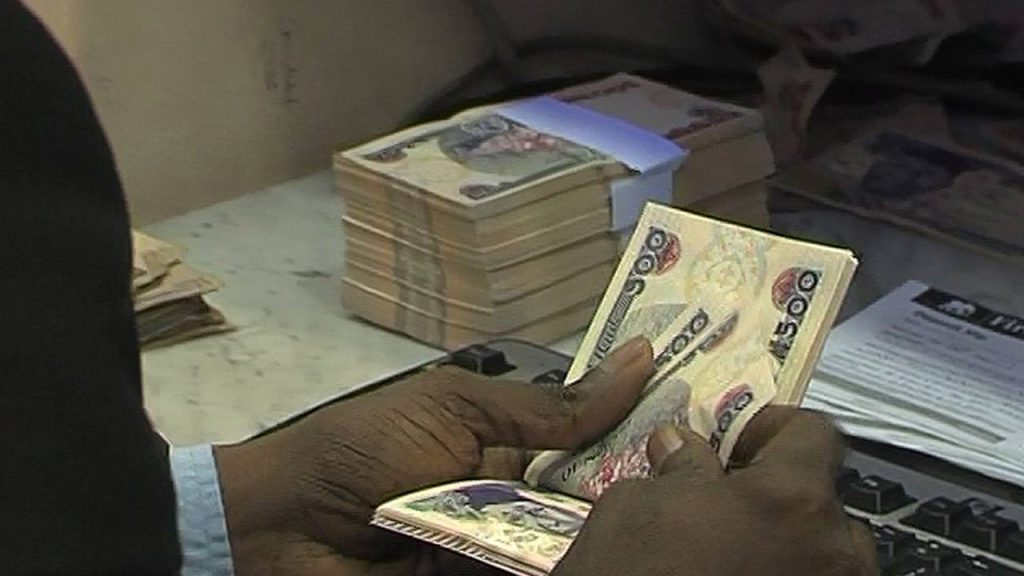
Nigeria's dependency ratio, a critical metric indicating the proportion of dependents to the working-age population, reflects both economic challenges and cultural narratives that resonate deeply within Nigerian society. As the nation grapples with high unemployment and a burgeoning youth population, the term "wahala," meaning trouble or problems, has emerged as a fitting descriptor of the economic strain felt by many families. This cultural lexicon underscores the interplay between economic realities and societal perceptions.
A recent analysis by economic expert Dr. Adeola Ibe, director at the Nigerian Institute of Economic Research, notes, "The dependency ratio isn't just a statistic; it's a lived experience for millions who struggle under the weight of economic pressures." This sentiment highlights the urgency for policymakers to address the underlying issues, from job creation to education, that exacerbate this situation.
Looking ahead, Nigeria faces a pivotal moment. As the government seeks to implement reforms and stimulate growth, the challenge will be converting the cultural understanding of "wahala" into actionable solutions that empower the youth and reduce the dependency ratio, ensuring a more sustainable economic future for the nation.