NBS reports rise in food prices for April 2026
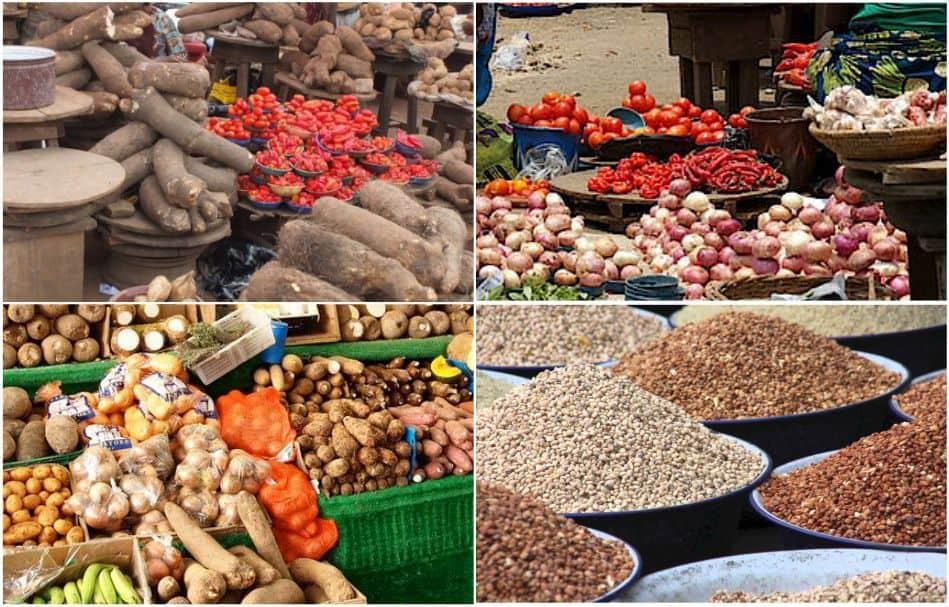
The National Bureau of Statistics reports a month-on-month increase in food prices for April 2026. Key items affected include tomatoes, beans, garri, onions, and ginger.
Live intelligence from 10+ verified Nigerian and UK sources
The National Bureau of Statistics reports a month-on-month increase in food prices for April 2026. Key items affected include tomatoes, beans, garri, onions, and ginger.
Nigeria's minimum wage debate is heating up as governors propose a ₦100,000 minimum wage. This proposal comes amid rising living costs and labor demands.
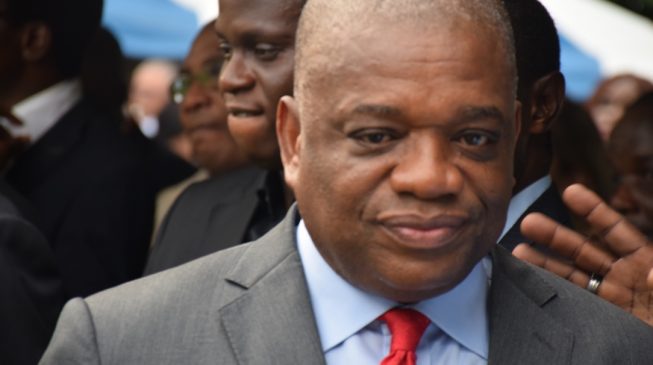
Senator Orji Uzor Kalu argues that Nigeria's economic issues stem from 66 years of misguided policies, not just corruption. He emphasizes the need to address this narrative for a better understanding of the country's economic challenges.
By Prof. Yinka Omorogbe SAN In Lekki, Lagos, the Dangote Refinery is not merely refining crude oil. It is refining read more Dangote Refinery and the Refining of Sovereignty
The NUPRC is working with unions to resolve the ongoing strike and ensure uninterrupted oil and gas production. They are committed to restoring normalcy in the sector.
Christine Lagarde emphasizes the need for the Eurozone to enhance the euro's global influence amidst rising geopolitical tensions and innovations in payment methods. She warns that without action, the euro could be overshadowed by emerging currencies like stablecoins.
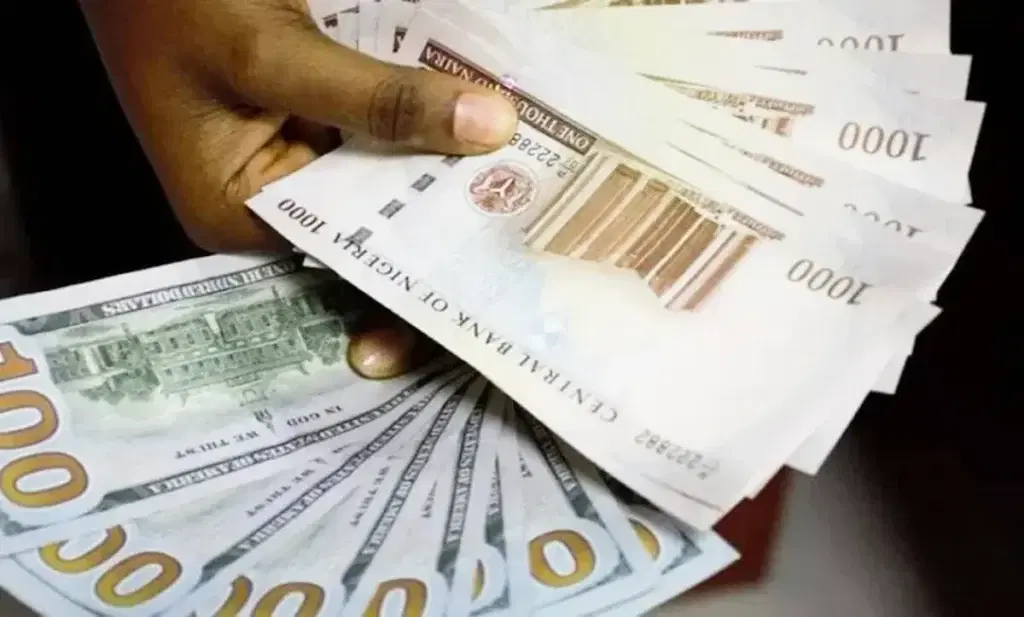
The Naira's exchange rate against the Dollar will be influenced by foreign exchange inflows and import demand. Analysts are closely monitoring external reserve levels and market sentiment for future trends.
France is positioning itself to invest in seven key sectors across Africa, aiming to strengthen economic ties. This initiative could enhance collaboration and growth opportunities between France and African nations.
India and the US are nearing an agreement on the initial phase of a trade pact. This development follows earlier negotiations that had slowed due to tariff measures.
The Central Bank of Nigeria projects that financial inclusion will reach 95% by 2028, driven by advancements in payments and fintech. This initiative reflects two decades of transformation in Nigeria's financial landscape.
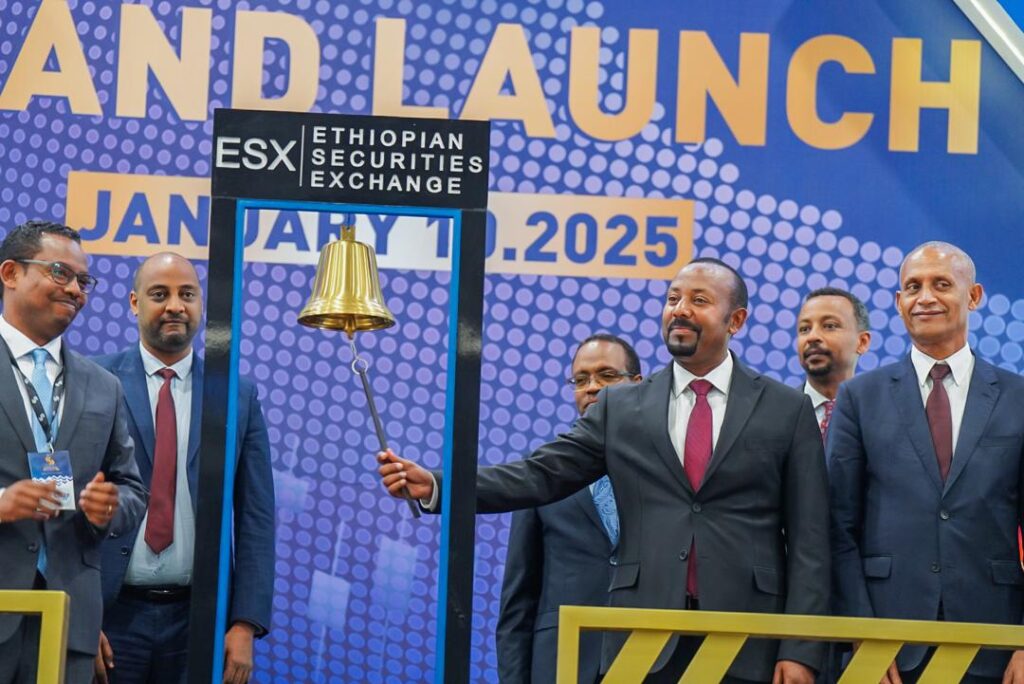
Ethiopia is advancing its capital market reforms while Morocco is solidifying its position as Africa's top industrial economy. Rising borrowing costs are also influencing the continent's financial landscape.
West Africa's development goals are being hindered by significant energy constraints. Despite ambitious industrial targets and rapid entrepreneurial activity, the region faces challenges in achieving its growth ambitions.
The naira is trading between ₦1,370 and ₦1,372 against the dollar in official market transactions as of June 2, 2026. This reflects ongoing fluctuations in the currency exchange market.
Nigeria's food import expenditure decreased by 7.4% to $2.34 billion in 2025, indicating reduced reliance on imported food. This decline comes despite a significant overall increase in total imports by 28%.
In Lagos, there is a phrase young Nigerians often use when someone suddenly becomes famous online: “e don blow”. It read more Who owns the digital economy Nigerian youths are building?
CBN said the vision will modernise the national payments infrastructure in intra-African trade. The bank added that the vision will accelerate regional commerce and enhance export competitiveness. The post CBN targets 95% financial inclusion, faster money transfers by 2028 appear...
Iran warns Israeli strikes in Lebanon could jeopardise US ceasefire Iran has warned that Israeli attacks on Hezbollah targets in read more WORLD IN BRIEF: US cuts Africa visa hubs, Iran warns Lebanon strikes threaten ceasefire, US court blocks transgender troop removals and other...
The naira appreciated against the dollar across the foreign exchange (FX) market segments on Monday, supported by improved liquidity in read more Naira strengthens to N1,366.79 as FX interbank turnover jumps 49.58%
The Central Bank of Nigeria has launched the Payments System Vision 2028 initiative aimed at enhancing efficiency and financial inclusion. This new framework is expected to drive innovation in Nigeria's payment systems.
The ongoing strike by NUPRC workers is disrupting oil and gas regulatory functions across Nigeria. This indefinite strike, led by PENGASSAN, poses significant challenges to the sector's operations.
The article draws a parallel between Esau's sacrifice of his birthright and the challenges facing Nigeria's NNPC. It highlights the burdens and implications of NNPC's current situation on the nation's economy.
Digital banking is significantly enhancing financial inclusion in West Africa, making it easier for vendors to accept mobile payments. This transformation is particularly evident in bustling markets like those in Lagos and Accra.
The article highlights trust as a critical yet undervalued asset in Africa's development infrastructure. It emphasizes the need for building trust to enhance collaboration and progress across various sectors.
Cardoso has launched Vision 2028, a new payment system aimed at achieving 95% financial inclusion in Nigeria. The initiative plans to integrate 15 million Nigerians into the formal financial system while enhancing security measures against electronic fraud.
A new report indicates that Nigeria's economy is expanding at double the rate observed before reforms. This growth presents a new set of challenges for policymakers.
Nigeria and the UAE have achieved a significant milestone with non-oil trade reaching $5 billion. The First Abu Dhabi Bank has officially launched in Lagos, enhancing economic relations between the two nations.
The Central Bank of Nigeria has reorganized its deputy governors, assigning new roles to key officials. This restructuring aims to enhance the bank's operational efficiency and economic policy implementation.
Oil prices increased by 5% to $95 after Iran halted negotiations with the U.S. This development has sparked discussions on its potential impact on global markets.
Olayemi Cardoso has made minor adjustments by reallocating the roles of deputy governors at the Central Bank of Nigeria. Ikeazor will now oversee economic policy, while Abdullahi will handle corporate services.
The CBN plans to bring N2.83 trillion from private hands into the banking system and onboard 50 million Nigerians by 2028, in preparation for the 2027 elections. This initiative aims to enhance financial inclusion and strengthen the economy.