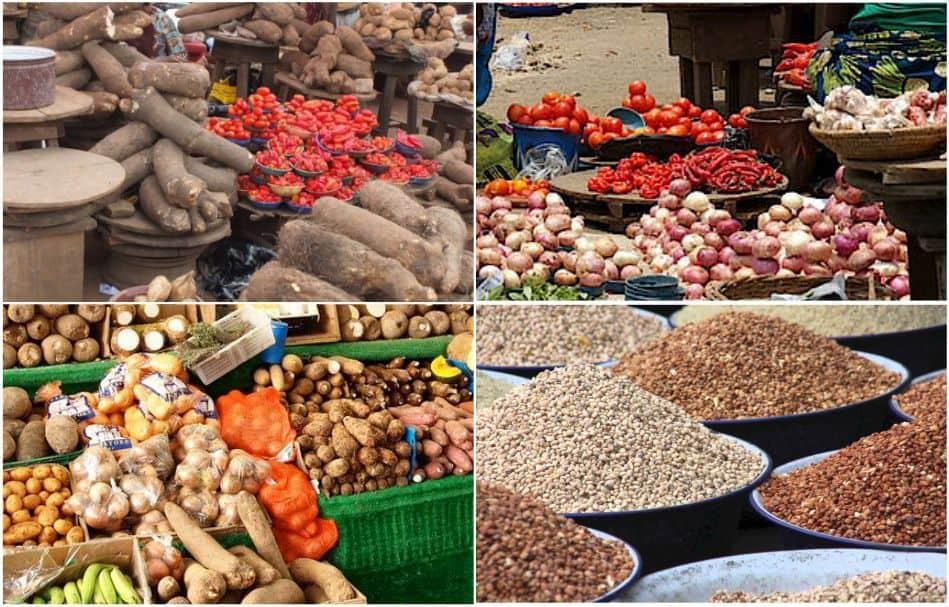
In April 2026, the National Bureau of Statistics (NBS) reported a troubling increase in food prices, with staples such as tomatoes, beans, and garri experiencing significant month-on-month spikes. This rise compounds existing economic challenges in Nigeria, where inflation has already strained household budgets and fueled public discontent.
Experts attribute the price hikes to a combination of factors including supply chain disruptions, adverse weather conditions affecting agricultural output, and ongoing economic policies that have yet to stabilize the market. "If we don't address these underlying issues, we risk pushing more families into food insecurity," warned Dr. Adeola Okunola, an agricultural economist at the University of Lagos.
As the government faces mounting pressure to implement effective interventions, consumers may find it increasingly difficult to afford basic necessities. The NBS data suggests that without immediate, strategic action, the food price surge could hinder recovery efforts in a post-pandemic economy. Looking ahead, the focus must shift to sustainable agricultural practices and improved supply chains to curb inflation and ensure food security for vulnerable populations.