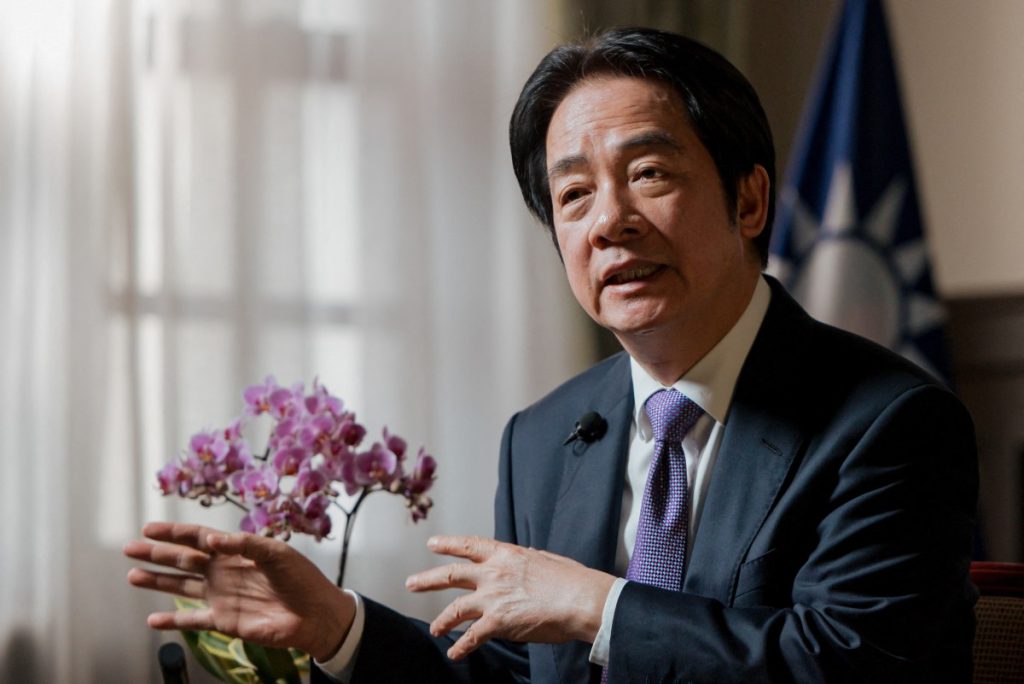
Taiwan has reaffirmed its commitment to independence in the wake of recent warnings from former U.S. President Donald Trump during his controversial visit to Beijing. This assertion comes as tensions between Taiwan and China intensify, with Beijing continuing to assert territorial claims over the self-governing island.
In a statement, Taiwan's Foreign Minister Joseph Wu emphasized, “We will not bow to external pressure. Our sovereignty is non-negotiable.” This declaration reflects Taiwan's long-standing position against Chinese aggression and highlights the increasing stakes in the region. Trump's remarks, perceived as a challenge to Taiwan's autonomy, have stirred fears of a heightened crisis in the Taiwan Strait, where military drills and aggressive rhetoric from China have become the norm.
Looking ahead, Taiwan's resilience will likely face further tests as geopolitical dynamics shift. With the U.S. grappling with its own political divisions, Taiwan must navigate a precarious landscape while solidifying international support. The situation underscores the urgent need for diplomatic engagement to prevent miscalculations that could lead to conflict, emphasizing the importance of unity among democratic nations in the face of authoritarian pressures.