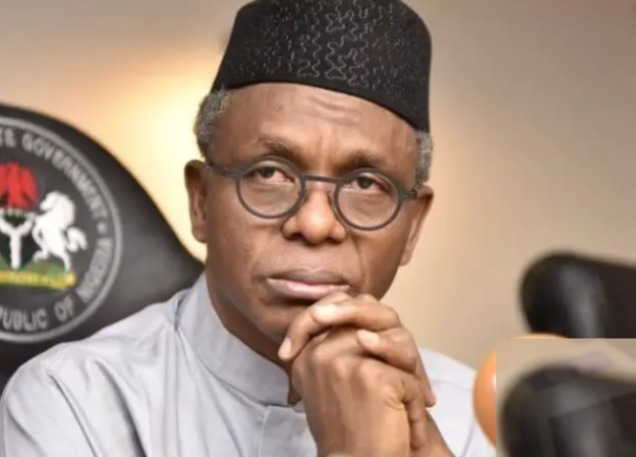
Protests erupted at the National Assembly as demonstrators called for the suspension of Prof Abayomi Fasina's ambassadorial confirmation, citing serious allegations of sexual harassment and human rights abuses. The unrest reflects growing public intolerance towards perceived impunity among political appointees, especially in the wake of heightened awareness around gender-based violence.
Fasina, a prominent figure in academia, faces accusations that have sparked outrage across various sectors of society. Activists argue that confirming him could send a damaging message about the government's commitment to addressing sexual misconduct. "We cannot afford to overlook these serious allegations; our values and safety are at stake," stated Jennifer Adebayo, a spokesperson for the protest organizers.
As the Senate weighs its decision, the outcome could significantly influence public trust in governmental institutions. The ongoing climate of accountability calls for stringent vetting of candidates, especially those with troubling pasts. Whether the Senate will heed the protesters' demands remains uncertain, but the incident underscores an urgent need for systemic reforms in how allegations of misconduct are handled in Nigeria's political landscape.