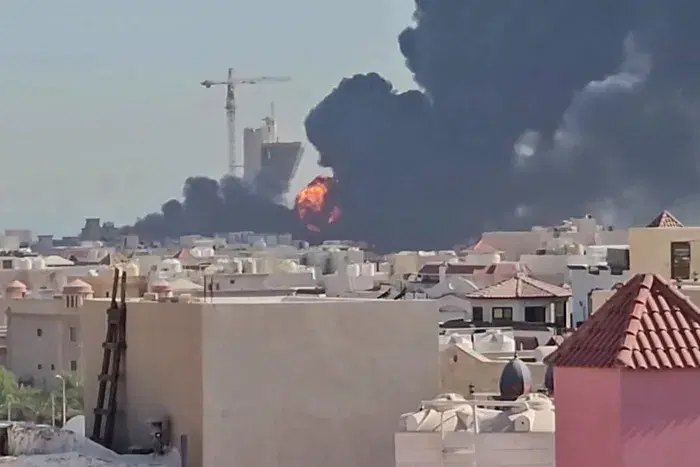
The recent U.S. military strikes against Iran mark a significant escalation in tensions following the deaths of American troops, complicating an already fragile geopolitical landscape. With a preliminary peace deal to end hostilities collapsing, both nations remain entrenched in a standoff over the strategically vital Strait of Hormuz, a critical artery for global oil transport. The U.S. aims to assert its influence and deter further Iranian aggression.
Iranian officials have condemned the strikes, with Foreign Minister Hossein Amir-Abdollahian asserting, "We will respond decisively to any aggression against our nation." This statement highlights Iran's commitment to retaliate, raising fears of a broader conflict that could disrupt oil markets and destabilize the region.
As the situation unfolds, the implications for the global economy are profound. Rising oil prices could strain economies already grappling with inflation. The international community now faces the urgent challenge of mediating between the U.S. and Iran to prevent further escalation and restore stability in a region crucial to global energy supply. The coming weeks will be pivotal in determining whether diplomatic efforts can salvage what remains of peace talks.