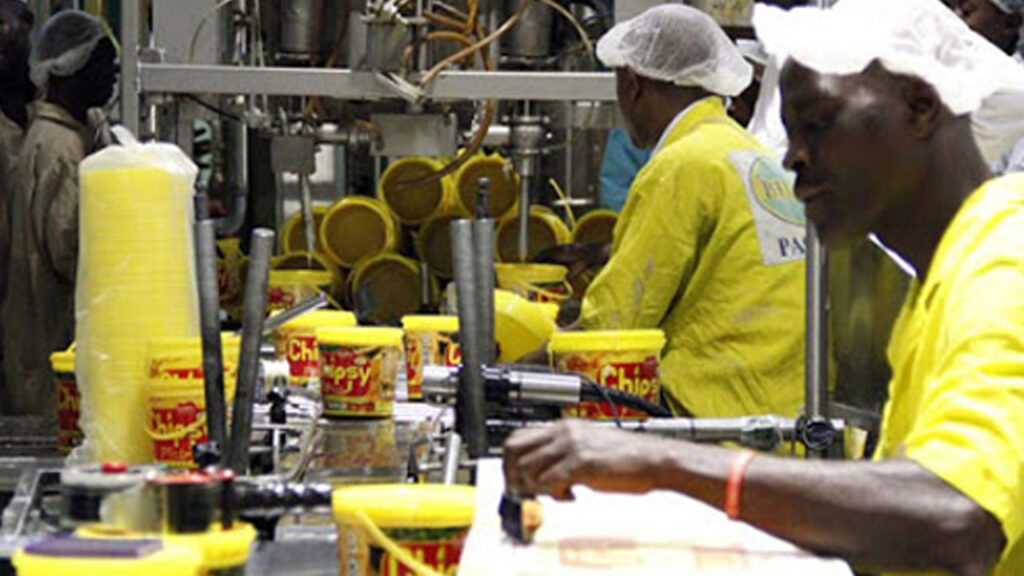
Nigeria's manufacturers are advocating for a data-driven execution of the country’s newly unveiled industrial policy, highlighting the necessity for transparency and accountability in its implementation. This call comes amidst growing concerns about the effectiveness of policies that have historically suffered from poor execution and lack of measurable outcomes.
The new industrial policy aims to boost local production and reduce reliance on imports, but stakeholders argue that without robust data collection and analysis, these objectives may remain unfulfilled. "For us to truly transform Nigeria's industrial landscape, we need to harness data effectively to monitor progress and make informed decisions," stated Segun Ajayi-Kadir, Director-General of the Manufacturers Association of Nigeria. This sentiment underscores the collective frustration within the manufacturing sector, which has faced numerous challenges, including inconsistent government support and infrastructural deficits.
Looking ahead, the integration of data analytics into policy execution could pave the way for more responsive and adaptive industrial strategies in Nigeria. Emphasizing a data-centric approach not only enhances accountability but also fosters an environment conducive to innovation and sustainable growth in the manufacturing sector.