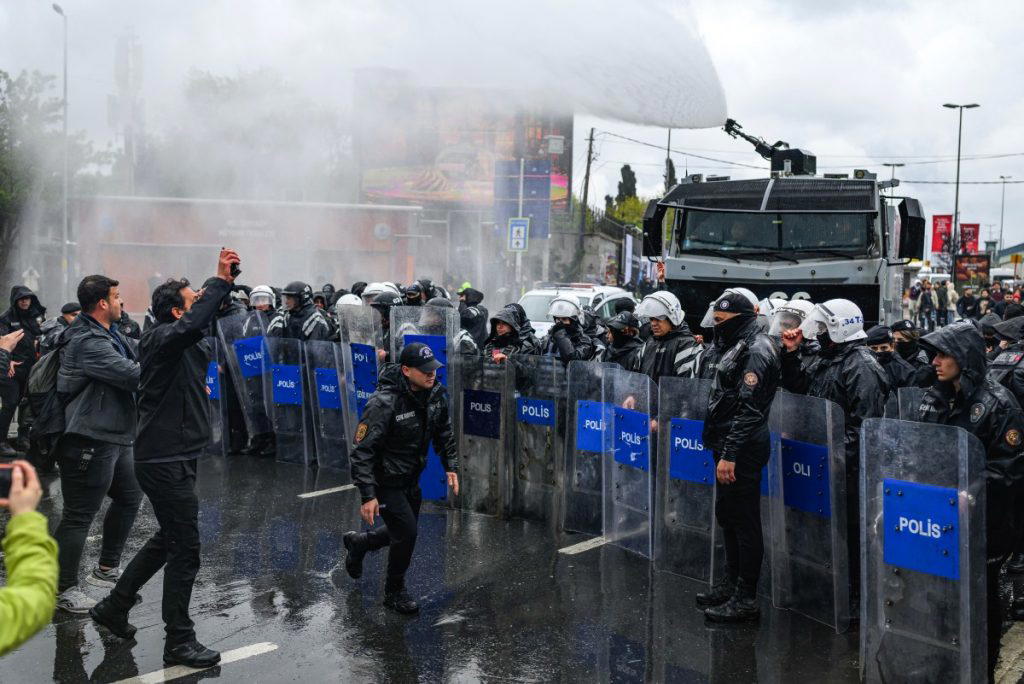
Turkey's recent decision to release protesters detained during May 1 demonstrations highlights the ongoing tensions surrounding freedom of expression in the country. The protests, marked by police using tear gas and resulting in hundreds of arrests, were part of a global movement advocating for workers' rights and social justice. This year's demonstrations were particularly significant as they unfolded against a backdrop of economic hardship and political unrest.
Human rights organizations have criticized the government's heavy-handed approach, arguing that it stifles legitimate dissent. "The release of the protesters is a positive step, but it must be accompanied by broader reforms that protect civil liberties," stated Ayse Korkmaz, a prominent human rights lawyer. This sentiment reflects a growing demand for accountability within Turkish society, where citizens are increasingly vocal about their rights.
As Turkey navigates these complex challenges, the government faces a critical juncture. The handling of dissent will not only influence internal stability but also impact Turkey's international relations, particularly with Western allies concerned about democratic practices. The coming months will be pivotal in determining whether Turkey can balance security with the essential freedoms its citizens seek.