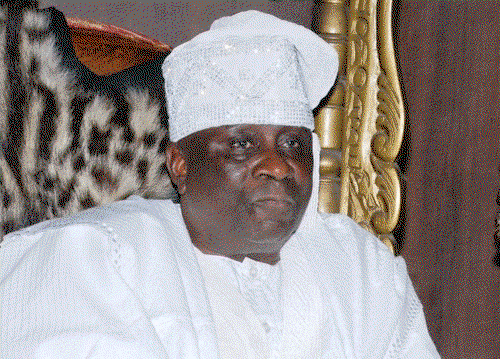
Oba Riliwanu Akiolu of Lagos recently recounted his principled stand against corruption by refusing a ₦5 million gift during General Sani Abacha's military regime. This moment reflects a broader narrative of moral integrity amid Nigeria's tumultuous political landscape in the 1990s, characterized by rampant corruption and human rights abuses. Akiolu’s rejection of the money underscores the importance of ethical leadership, a theme that resonates deeply in contemporary discussions about governance in Nigeria.
In his remarks, Akiolu stated, “I could not compromise my values for money, regardless of the circumstances.” His decision not only showcased personal integrity but also set a standard for future leaders in a nation still grappling with the legacies of past administrations. Akiolu's story serves as a reminder of the moral choices that define leadership, even in the face of temptation.
As Nigeria navigates its current political challenges, Akiolu's experience emphasizes the need for leaders committed to transparency and accountability. By holding steadfast to ethical principles, they can inspire a new generation to prioritize the nation's welfare over personal gain, fostering a culture of integrity essential for Nigeria's progress.