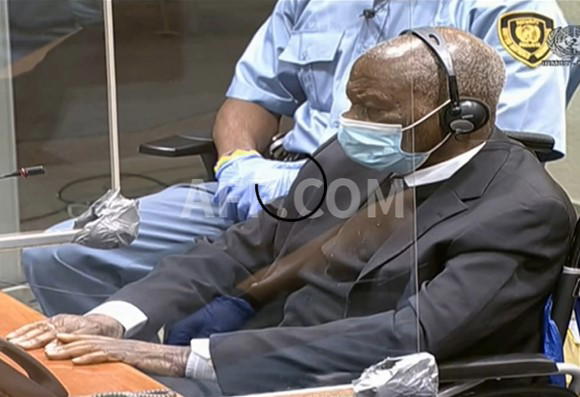
The death of Felicien Kabuga, a key figure in the 1994 Rwandan genocide, represents a pivotal moment in the struggle for justice for the victims of one of history's darkest chapters. Kabuga was notorious for his role in inciting violence through Radio Télévision Libre des Mille Collines, which fueled ethnic hatred and violence against the Tutsi population. His passing, while significant, raises questions about the future of accountability for those involved in the genocide.
Kabuga’s death at the age of 87 comes after years of legal proceedings that sought to hold him accountable for his crimes. Rwanda’s Minister of Justice, Johnston Busingye, stated, “Kabuga's death should not mark the end of our pursuit for justice but rather galvanize our resolve to remember and honor the victims.” This sentiment underscores the ongoing commitment to ensuring that the horrors of the past are not forgotten.
Looking ahead, Kabuga's demise serves as a reminder of the complexities surrounding justice and reconciliation in Rwanda. As the nation continues to heal, the legacy of the genocide remains a critical part of its cultural and historical narrative, emphasizing the need for continued vigilance against hate and division.

