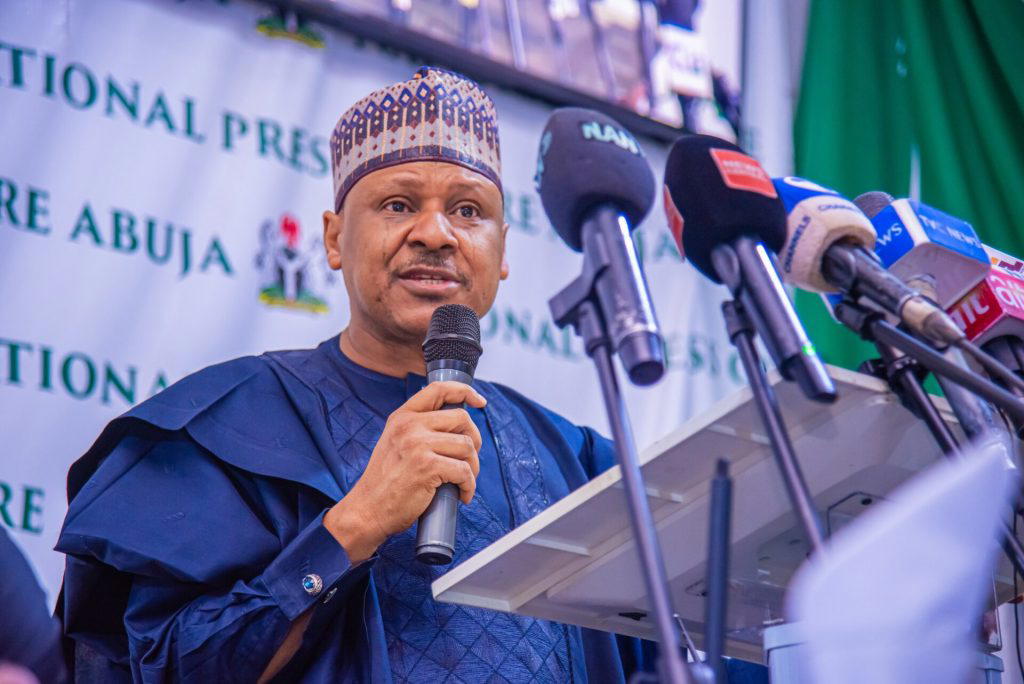
The recent submission of the constitution amendment report on the State Police Bill to the House of Representatives marks a significant step towards decentralizing policing in Nigeria. This development comes amid rising security challenges across the country, prompting calls for more localized law enforcement solutions.
The proposed bill aims to empower state governments to establish their own police forces, a move many argue could enhance community safety and responsiveness. Lawmakers and stakeholders have long debated the merits of state versus federal policing, with proponents advocating for a system that can better address local concerns. "Decentralizing policing will allow states to tailor their security measures to their unique challenges," stated Ahmed Lawan, Senate President.
As the House of Representatives deliberates on the report, the implications for Nigeria's security landscape could be profound. If passed, the State Police Bill could transform the dynamics of law enforcement, enabling quicker and more effective responses to crime. However, potential challenges related to oversight and accountability will need to be addressed to ensure that this shift leads to improved safety rather than exacerbating existing issues.