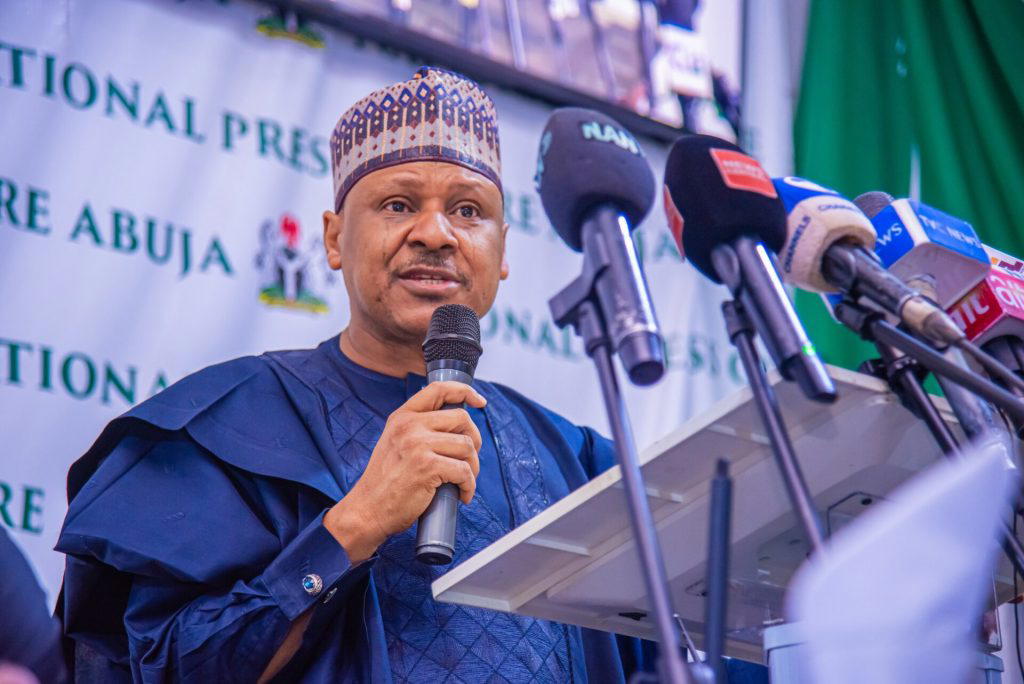
Nigeria's Information Minister, Idris, recently highlighted President Bola Tinubu's reforms as pivotal for the nation's long-term prosperity. With a focus on enhancing democratic governance and fostering economic stability, these reforms aim to address persistent challenges such as corruption, unemployment, and inadequate infrastructure. The administration's initiatives have sparked discussions among various stakeholders, with many expressing cautious optimism about the potential for transformative change.
Idris praised the ongoing efforts, stating, "These reforms are not just policies; they are a commitment to reshape Nigeria into an economic powerhouse." This sentiment reflects a broader consensus that effective governance is essential for attracting foreign investment and revitalizing local industries. Tinubu's government has also prioritized public-private partnerships, which could play a crucial role in modernizing key sectors.
Looking ahead, the success of these reforms will largely depend on their implementation and the government's ability to maintain public trust. As Nigeria navigates its complex socio-economic landscape, the trajectory of these initiatives will be closely monitored, with the hope that they will lead to sustainable growth and improved living standards for all citizens.