The recent revelations surrounding the Presidential Foreign Intervention Promotion Council have raised significant concerns about government transparency and accountability. Adeniyi Adeyemi Matthew, the council's embattled Director-General, has publicly defended the establishment of the now-defunct agency, claiming it was intended to enhance Nigeria's diplomatic efforts abroad. Critics, however, label the council "fake," suggesting it was merely a façade for questionable activities.
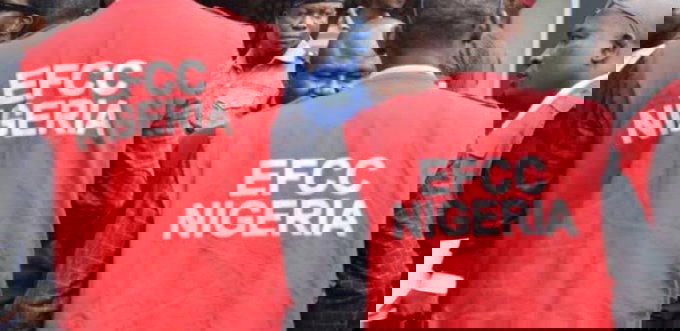
In an interview, Matthew asserted, “Our goal was to foster international partnerships, not to engage in illicit practices,” attempting to dispel allegations of misconduct. Nonetheless, the lack of tangible outcomes from the council's initiatives has fueled skepticism among lawmakers and the public. Investigations into the council's operations are now underway, with many demanding accountability for the misuse of public resources.
As the political landscape evolves, the fallout from this controversy may prompt a reevaluation of foreign intervention strategies in Nigeria. Stakeholders are keenly watching how the government will address these issues to restore credibility and trust, especially in a climate where international relations are pivotal for economic development.