The recent arraignment of Dikko, the former Managing Director of Port Harcourt Refinery Ltd, highlights ongoing efforts by Nigeria's Economic and Financial Crimes Commission (EFCC) to combat corruption in the oil sector. Facing a 12-count charge of alleged money laundering, Dikko pleaded not guilty in a session presided over by Justice Inyang Ekwo of the Federal High Court in Abuja. This case underscores a broader trend of increasing accountability for high-ranking officials in Nigeria.
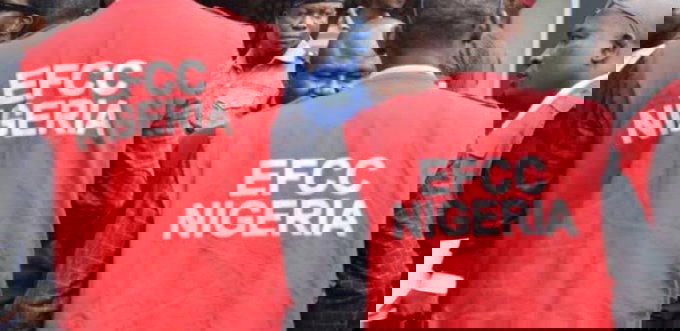
The EFCC has ramped up its investigations into financial misconduct, especially within state-owned enterprises. "We are committed to ensuring that those who betray public trust are held accountable," stated Abdulrasheed Bawa, the EFCC Chairman. This sentiment reflects a growing public demand for transparency and integrity in governance.
As the judicial process unfolds, the implications of this case could reverberate throughout Nigeria's oil industry, potentially influencing regulatory reforms and investor confidence. Observers will be watching closely to see whether this prosecution serves as a deterrent to future malfeasance or whether it signals a continued struggle against entrenched corruption in the country’s lucrative oil sector.