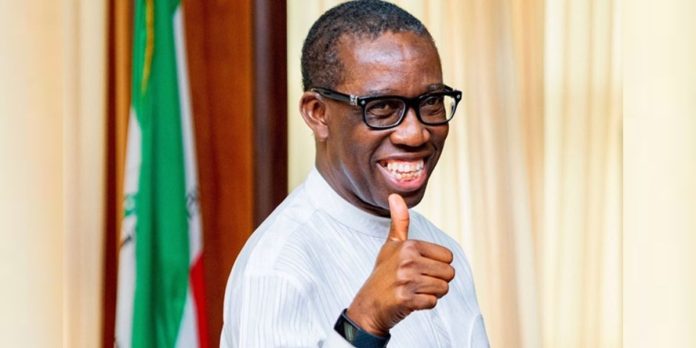
As Nigeria navigates complex political landscapes, former Delta State Governor Ifeanyi Okowa's recent reflection on his two-term governance reignites discussions around accountability and public perception. Serving from 2015 to 2023, Okowa's tenure was marked by significant infrastructural developments and social initiatives, yet challenges such as corruption allegations loomed large.
In a recent statement, Okowa emphasized, "Governance is not just about politics; it is about the people and the legacy we leave behind." His remarks highlight the tension between achievements and the rising tide of accusations often amplified by social media. Critics argue that the ease of spreading unverified claims undermines genuine discourse, fostering a culture where sentiment outweighs evidence.
Looking ahead, the discourse surrounding Okowa's legacy serves as a microcosm of Nigeria's broader political challenges. As the nation gears up for the 2027 elections, the focus will likely shift to candidates' ability to navigate the digital landscape of misinformation while presenting credible visions for governance. The path forward demands a commitment to transparency and a robust public engagement strategy to rebuild trust in democratic processes.