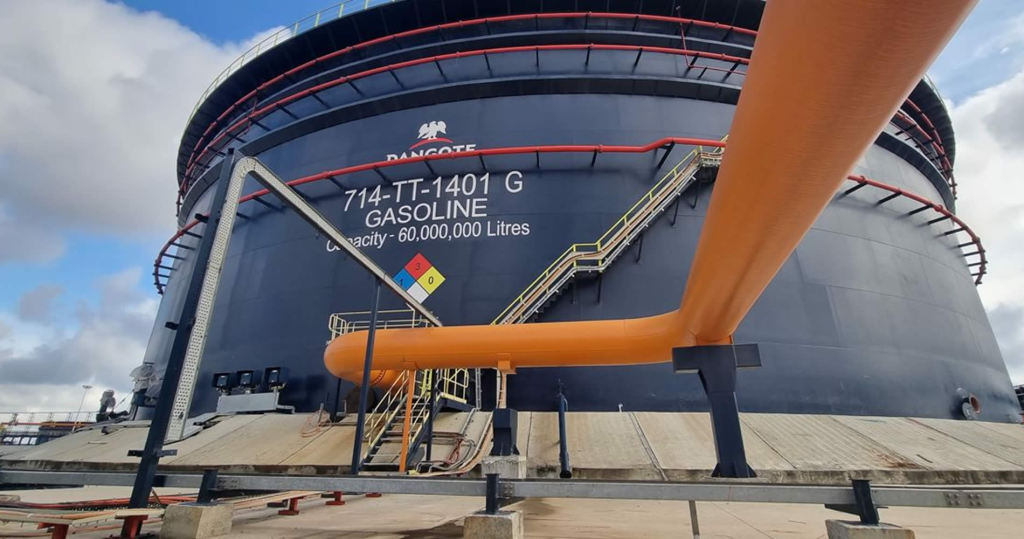
As tensions escalate in the Middle East, Nigeria's oil benchmark has surged past $95 a barrel for the first time, reflecting global market reactions to geopolitical instability. The recent conflict, spurred by provocative actions such as the bombing of a bridge and threats issued by former President Trump regarding Iran, has sent shockwaves through oil markets, raising concerns over supply security.
Analysts suggest that this price spike could have significant implications for Nigeria's economy, which heavily relies on oil exports. "We are witnessing a critical moment where oil prices are responding to instability rather than fundamental supply and demand," said Dr. Aisha Bello, an economic analyst at the Nigerian Economic Summit Group. This volatility could impact inflation and government revenue as Nigeria grapples with a challenging economic landscape.
Looking ahead, if the conflict continues to escalate, Nigeria may face both opportunities and challenges. While higher oil prices could enhance revenue, they may also exacerbate inflationary pressures domestically. Stakeholders will need to navigate this precarious situation carefully to sustain economic growth amid rising uncertainties in the global oil market.