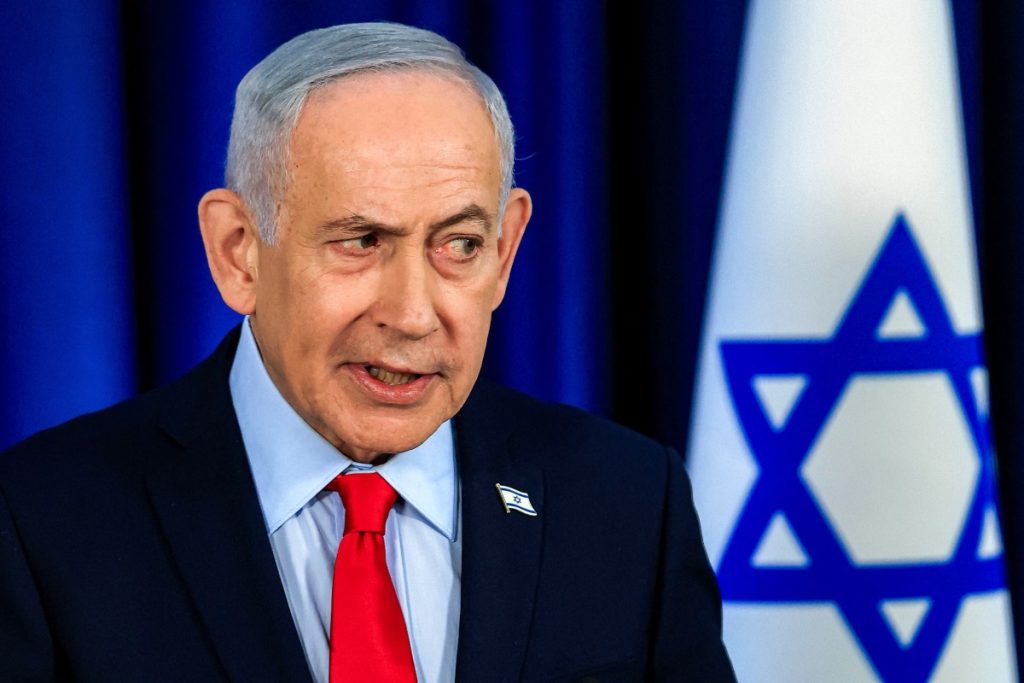
Israeli Prime Minister Benjamin Netanyahu's declaration that "no terrorist is immune" follows the recent targeted killing of a senior Hezbollah commander in Beirut, escalating tensions in an already volatile region. This action underscores Israel's unwavering stance against perceived threats from militant groups, particularly Hezbollah, which has long posed a significant security challenge along Israel's northern border.
Netanyahu's assertion emphasizes Israel's policy of preemptive strikes to dismantle threats before they manifest. The targeted killing aligns with a broader strategy that has seen increased military operations against Hezbollah, particularly amid rising hostilities and ongoing regional instability. The repercussions of this action could provoke retaliation from Hezbollah, which has vowed to respond to any attacks on its leadership.
As regional dynamics shift, analysts anticipate heightened military engagements and a potential escalation of the Israel-Hezbollah conflict. “Israel’s recent actions may lead to a cycle of violence that is difficult to contain,” warns Dr. Miriam Kahn, a Middle East analyst. The international community will be closely monitoring the situation, as further developments could reshape alliances and impact stability across the Middle East.