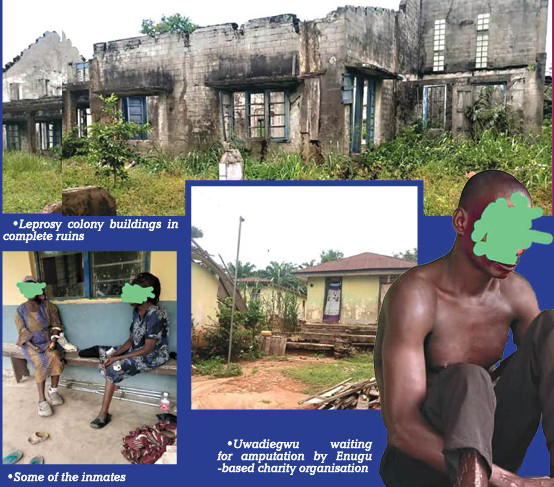
The Uzuakoli Leprosy Colony, founded in 1932 as a refuge for those afflicted by leprosy, has become a symbol of neglect and isolation in Nigeria. Once a thriving community, the colony now suffers from inadequate healthcare, dwindling resources, and social stigma, reflecting broader challenges faced by marginalized groups in the country. Patients, often cut off from their families and society, experience not only physical ailments but also emotional despair.
Local leaders, like Chief Okwudili Nwogu, emphasize the urgent need for support: “These individuals deserve dignity and care; we must not turn our backs on them.” The lack of government intervention exacerbates the situation, as funding for healthcare and community services remains inadequate.
As awareness of the plight of Uzuakoli grows, there is hope for revitalization. Advocacy groups and local NGOs are beginning to mobilize, aiming to restore both health services and community ties. The future of the colony hinges on increased attention and resources, which could transform it from a symbol of neglect into a beacon of healing and inclusion for some of Nigeria’s most vulnerable citizens.

