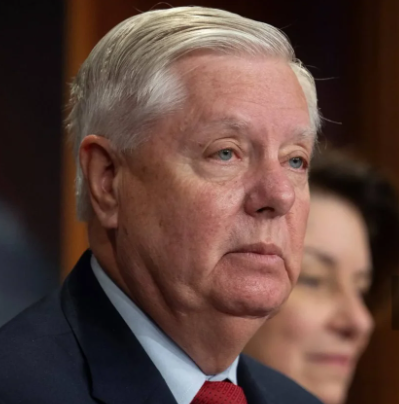
The death of Lindsey Graham, a prominent and polarizing figure in U.S. politics, marks the end of an era characterized by aggressive foreign policy advocacy. At 71, Graham was known for his staunch support of military intervention, particularly in the Middle East, where he frequently championed U.S. actions favoring Israel. His passing on July 12, 2026, raises questions about the future direction of U.S. foreign policy, especially regarding the Middle East.
Graham's career spanned nearly two decades in the Senate, where he became a leading voice for interventionist policies. His relentless push for military engagement often drew criticism, with opponents labeling him a "war-monger." As former U.S. Ambassador to Israel, David Friedman, stated, "Lindsey was a true friend of Israel, and his absence will be profoundly felt."
In the wake of his death, political analysts speculate about potential shifts within the Republican Party. With a growing isolationist sentiment among some factions, Graham's absence could pave the way for a reevaluation of America's military commitments abroad, particularly in conflict-ridden regions.