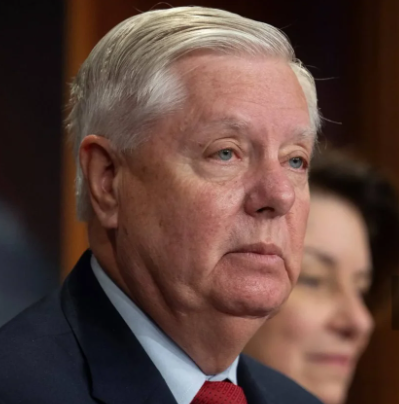
The political landscape in the United States is reeling from the unexpected death of Senator Lindsey Graham, a prominent figure in Republican politics and a close ally of former President Donald Trump. Graham, who had a long career in public service, was first elected to the House of Representatives in 1994 before moving to the Senate in 2002, where he became known for his staunch conservative positions and foreign policy expertise.
His passing at the age of 71 raises questions about the future direction of the GOP, particularly as the party navigates its identity post-Trump. Graham's longtime colleague, Senate Minority Leader Mitch McConnell, remarked, "Lindsey was a tireless advocate for our values and a friend to many. His loss will be deeply felt across the country."
As the Republican Party faces internal divisions and prepares for the upcoming election cycles, Graham's absence will leave a significant void. The party must now rally around new leadership while grappling with the challenges of unifying its base. The coming months will reveal how Graham's legacy will shape the GOP's trajectory in an increasingly polarized political environment.