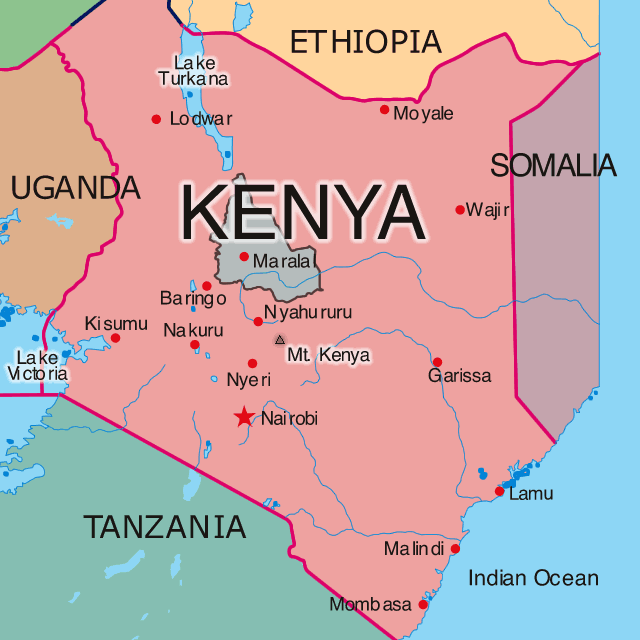
Kenya's government has reaffirmed its strict stance against cannabis use, denying Rastafarians the right to smoke weed, despite calls for its legalization. A 1994 law imposes severe penalties, including a decade of imprisonment and hefty fines for possession. This decision has reignited debates around drug policy reform in a country where cultural practices and religious freedoms often clash with legal frameworks.
Rastafarians, who view cannabis as a sacrament, have expressed frustration over this ruling. "We believe that our spiritual practices should be respected and not criminalized," stated Ras Karanja, a prominent Rastafarian community leader. This sentiment highlights the ongoing struggle for religious expression within the confines of Kenyan law, which remains largely conservative regarding drug use.
As the global conversation around cannabis legalization continues to evolve, Kenya finds itself at a crossroads. The government faces pressure from various advocacy groups to rethink its approach, particularly given the economic potential of a regulated cannabis market. The future of cannabis legislation in Kenya hinges on balancing cultural rights with public safety, and it remains to be seen how this complex issue will unfold.