The Nigerian government's announcement of a December 2028 deadline for the final switch-off of analogue television broadcasting marks a significant step in the nation's push towards digital transformation. This decision comes after years of delays and a gradual transition initiated in 2016, aimed at enhancing broadcast quality and expanding access to information across the country.
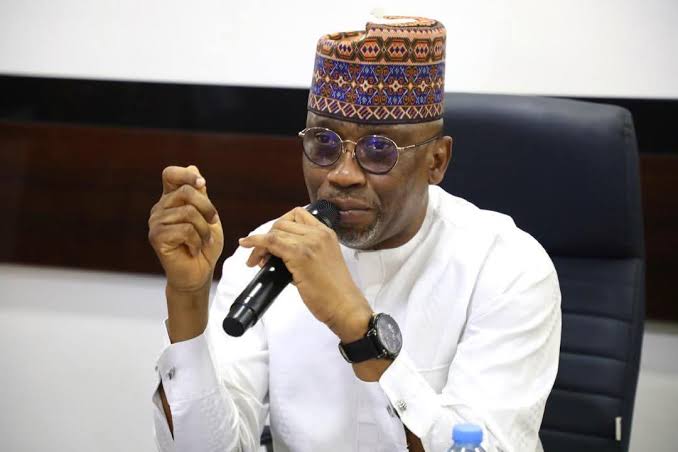
Minister of Information and Culture, Lai Mohammed, emphasized the urgency of this transition, stating, "The analogue switch-off will ensure that Nigerians benefit from improved services and more channels." This shift not only aligns Nigeria with global trends but also presents an opportunity to stimulate the local economy through the digital broadcasting sector.
As the deadline approaches, stakeholders must address the challenges of ensuring widespread access to digital television, particularly in rural areas where infrastructure may lag. The government's commitment to this transition reflects a broader vision for technological advancement, but it will require robust strategies to ensure that all Nigerians can participate in this digital future. The success of this initiative will depend on collaborative efforts among government, private sectors, and civil society.