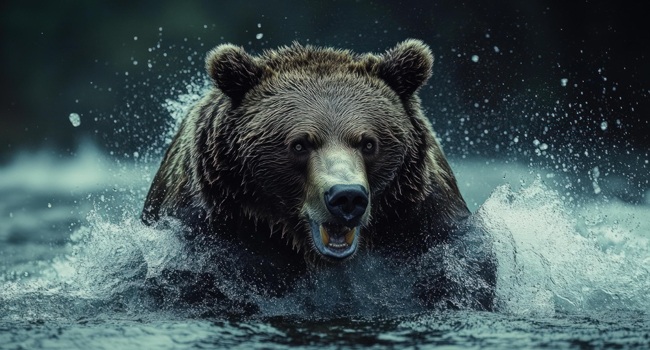
Bear sightings in Japan have surged, doubling in the past year, with environmental experts warning of the implications this trend holds for both wildlife and human populations. The increase has been linked to a warming climate that has enhanced food availability, allowing the bear population to thrive. This phenomenon raises significant concerns as bears are increasingly venturing into urban areas, leading to potential conflicts with residents.
Kenji Takahashi, an ecologist at the University of Tokyo, stated, "The rise in bear encounters is a clear indication that we need to rethink our approach to wildlife management. Climate change is altering ecosystems and human-wildlife interactions." This alarming trend not only highlights the challenges posed by environmental shifts but also underscores the necessity for proactive measures to ensure safety and conservation.
Looking ahead, Japan faces a critical juncture in balancing wildlife conservation with urban safety. As climate change continues to reshape ecosystems, the government and local communities must collaborate on strategies to mitigate risks while preserving the delicate relationship between humans and nature. The doubling of bear sightings signals a need for immediate attention to the evolving dynamics of Japan's wildlife.