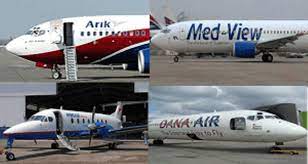
The airline industry in Nigeria faces unprecedented challenges in the first half of 2026, with operational costs soaring amid ongoing economic pressures. Ibom Air, the state-owned carrier in Akwa Ibom, reported a staggering increase in fuel costs, rising from N2.1 million per flight in January to N7.6 million by April. This dramatic surge has raised alarm bells across the sector, further compounded by the Federal Airports Authority of Nigeria (FAAN) grappling with regulatory hurdles that could stifle operational efficiency.
Industry stakeholders are sounding the alarm. "The rising cost of fuel is unsustainable and threatens our profitability," stated Idongesit Nkanga, Managing Director of Ibom Air. The implications are broad; as airlines struggle to maintain service levels, the impact on ticket prices and passenger numbers could be significant.
Looking ahead, the need for a comprehensive policy framework that addresses these escalating costs becomes increasingly urgent. Without strategic interventions, the viability of Nigeria's aviation sector remains in jeopardy, potentially leading to reduced connectivity and economic growth. Stakeholders will need to advocate for collaborative solutions to navigate these turbulent skies.