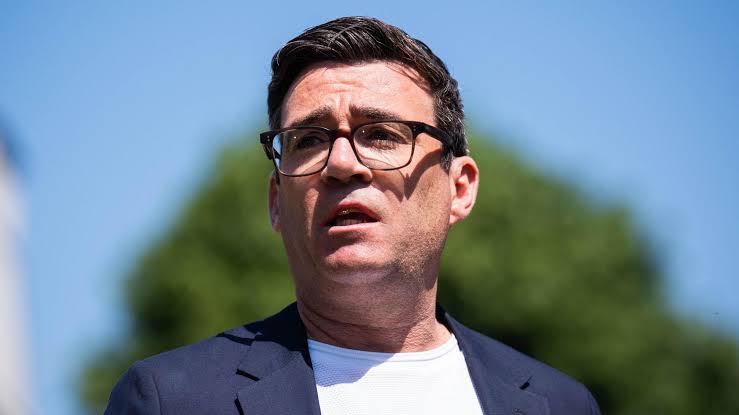
Keir Starmer's resignation as Labour leader and Prime Minister marks a significant turning point in British politics, following months of internal strife and public discontent. His decision to step down has prompted a leadership contest that could reshape the Labour Party's future and its strategies ahead of the next general election. Starmer's leadership was praised by EU Chief Ursula von der Leyen, who referred to him as a "true statesman" for his commitment to progressive policies and European unity.
Starmer's tenure was characterized by efforts to revive the party after years of division, particularly following the controversies surrounding his predecessor, Jeremy Corbyn. His resignation opens the door for new leadership, potentially allowing for a shift in the party's approach to pivotal issues such as the economy and Brexit. "We are entering a new chapter in British politics," said Labour MP Lisa Nandy, hinting at the anticipated changes.
As the Labour Party prepares for a leadership contest, the outcomes will likely influence the political landscape in the UK, setting the stage for critical debates and decisions in the years to come. The party's ability to unite and adapt will be crucial in reclaiming voter trust.